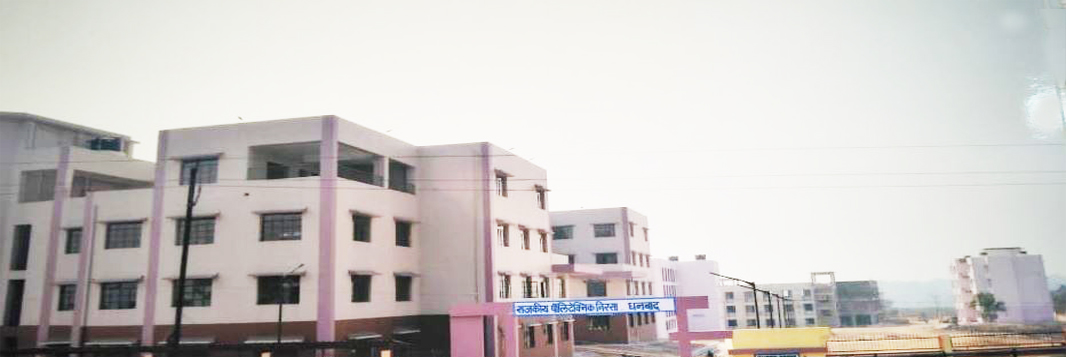
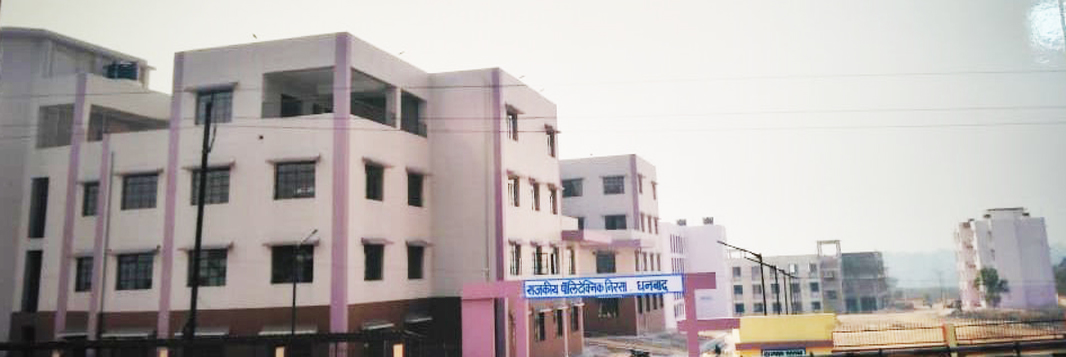
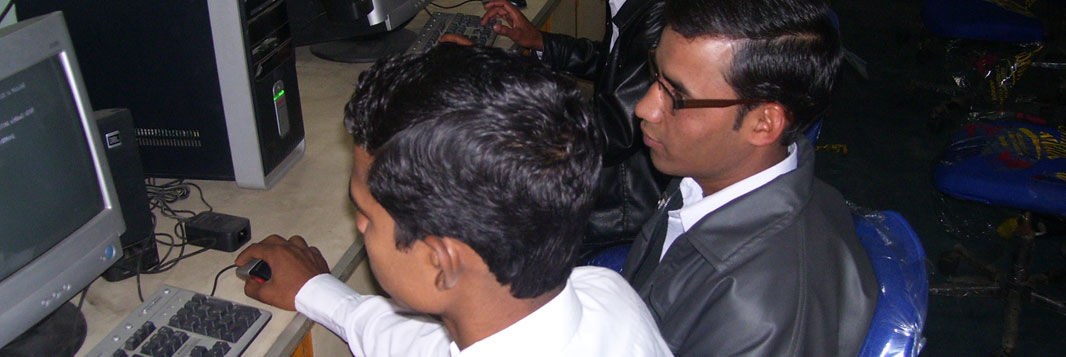
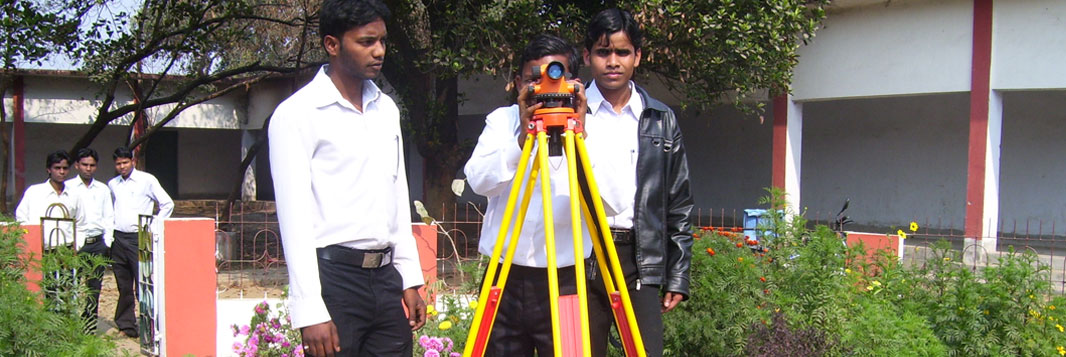
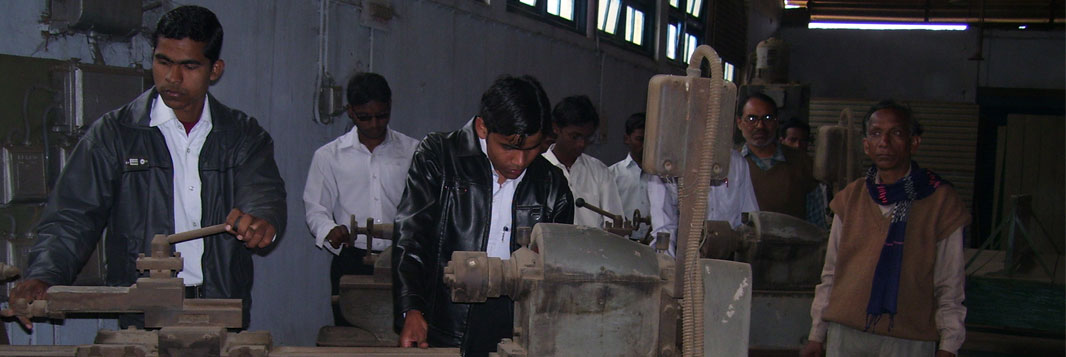
Government Polytechnic Nirsa remains one of the most relevant diploma options for students in and around Dhanbad who want a practical technical education without moving far from home. For many families in Nirsa, Dhanbad, Maithon, Chirkunda, Govindpur, and nearby mining belts, the college has a familiar value: it connects school-level education with employable engineering skills, especially in branches that match the industrial character of the region.
The 2026 admission season is important because diploma education is no longer seen only as a backup after Class 10. A well-chosen polytechnic course can open routes into junior engineering roles, lateral entry to B.Tech, public-sector technical posts, apprenticeships, mining-related work, construction supervision, mechanical maintenance, and local industry opportunities. Government Polytechnic Nirsa has a long identity in this space, and applicants from Dhanbad should understand the admission route, eligibility, branch choice, documents, counselling process, and realistic career value before making a decision.
Why Government Polytechnic Nirsa matters for Dhanbad students
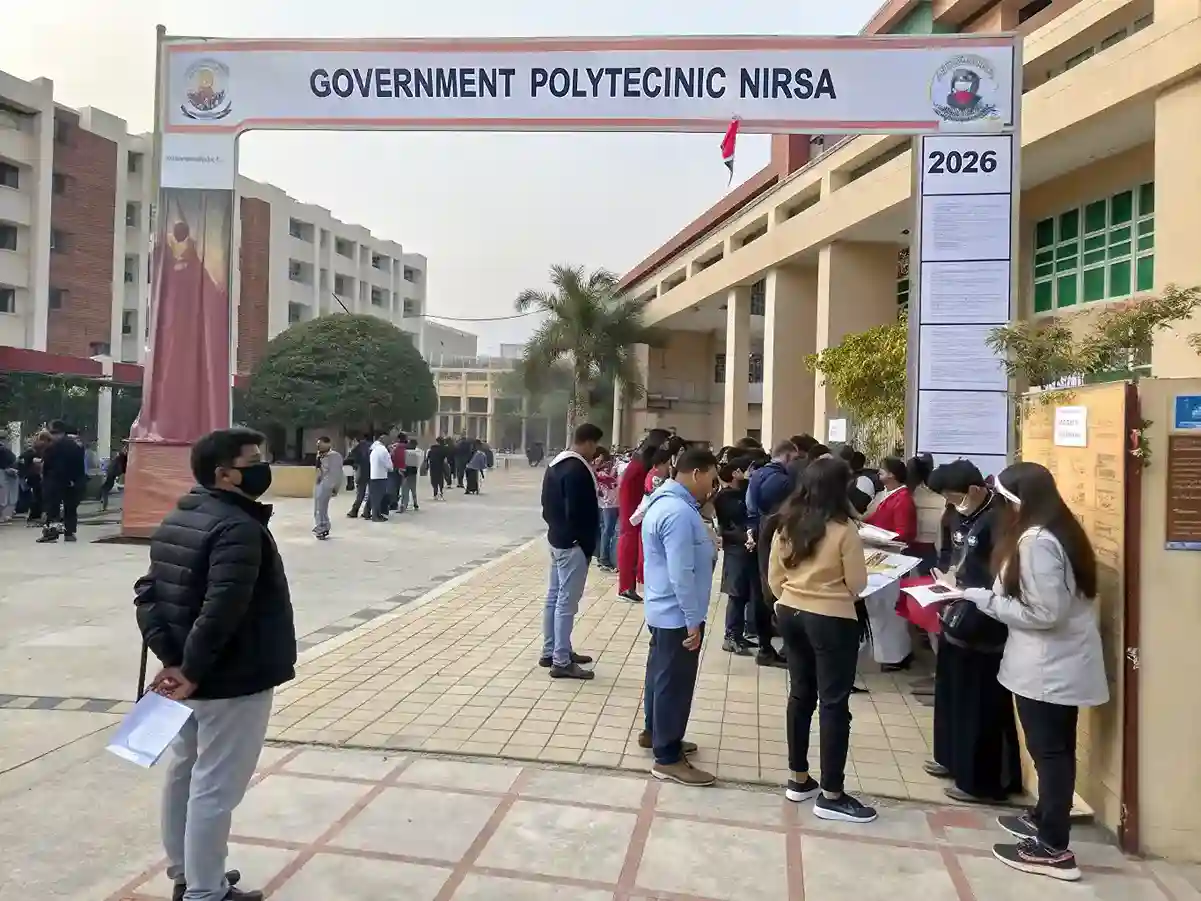
Government Polytechnic Nirsa is not just another diploma college in Jharkhand. Its importance comes from its location, history, and relationship with the technical needs of the Dhanbad region. Dhanbad has long been associated with coal, mining, mechanical operations, transport, workshops, civil development, and industrial maintenance. A student who studies in this environment is not learning engineering in isolation; the subjects connect directly with the local economy.
The institute was originally known for mining education, which makes sense in a district where coalfields and mineral industries have shaped employment for decades. This gives the college a certain identity that many newer institutes do not have. Students interested in Mining Engineering often look at Nirsa because the branch has a natural connection with the region. At the same time, Civil Engineering and Mechanical Engineering also have practical demand, especially because infrastructure work, machines, vehicles, fabrication units, repair workshops, and construction projects continue to need trained diploma holders.
For Dhanbad applicants, another major advantage is accessibility. Studying close to home can reduce living costs, travel pressure, and family concerns. Many students who pass Class 10 are still young, and parents often prefer a nearby government institution where the fee burden is manageable. A diploma from a government polytechnic can be especially valuable for students who want to start building a technical career early instead of waiting until after Class 12.
The college is also useful for students who want a staged career path. A student may complete the diploma, take a job, prepare for government technical recruitment, or later move into B.Tech through lateral entry. This flexibility matters because not every family can plan four years of engineering education immediately. A three-year diploma gives the student a recognised technical qualification and keeps higher-study options open.
Admission route for 2026 applicants
Admission to Government Polytechnic Nirsa for diploma courses is linked with the Jharkhand Polytechnic Entrance Competitive Examination, commonly known as PECE. The process is handled through the state admission system, so applicants should not treat college admission as a private direct-entry process. The usual route includes online registration, entrance examination, result, counselling, seat allotment, document verification, fee payment, and final admission at the allotted institute.
For 2026, applicants should pay close attention to the official PECE portal and notifications issued by the Jharkhand Combined Entrance Competitive Examination Board. The application stage is important because even a small mistake in name, category, date of birth, marks, photograph, signature, or domicile details can create trouble during verification. Students from Dhanbad should complete the form carefully and keep copies of every submitted document.
The admission cycle can feel confusing for families going through it for the first time, but the structure is fairly simple when broken down. The entrance exam helps create merit, counselling connects rank with seat availability, and allotment decides which branch and college a candidate receives. A student who wants Government Polytechnic Nirsa should therefore think about both rank and branch preference. A good rank gives more choice, but branch availability also depends on category, seat matrix, counselling round, and the choices filled by other candidates.
Applicants should avoid one common mistake: waiting until allotment to understand the branches. The choice-filling stage can move quickly, and students who have not compared Mining, Mechanical, and Civil Engineering may fill options casually. That can lead to regret later. A diploma branch is not just a subject name; it influences workshops, practical training, apprenticeship direction, higher-study options, and job preparation. Before counselling begins, students should discuss branch choices with teachers, seniors, family members, and working diploma holders if possible.
The admission process also has deadlines. Once a seat is allotted, candidates normally need to report within the given period with documents and fees. Missing the deadline can weaken the claim to the seat. This is especially important for students from rural or semi-urban areas around Dhanbad who may need extra time to arrange certificates. It is better to prepare documents early instead of searching for them after allotment.
Eligibility, courses and seat details
Government Polytechnic Nirsa offers full-time diploma programmes in core engineering branches. The most relevant point for Class 10 students is that diploma admission is generally open to candidates who meet the required school qualification and minimum marks. Students should confirm the latest 2026 conditions from the official prospectus because admission rules, age conditions, reservation instructions, and certificate formats may be updated by the board.
The college’s main diploma branches suit students who prefer applied learning over purely academic study. Mining Engineering is closely linked with coalfields, mine operations, safety, surveying, and mineral-sector technical work. Mechanical Engineering is broader and can lead toward workshops, machines, maintenance, production support, automobiles, fabrication, and industrial services. Civil Engineering suits students interested in construction, buildings, roads, surveying, estimation, site supervision, and public works.
The following overview helps applicants compare the available options before filling choices during counselling.
| Diploma programme | Duration | Typical seat intake | Best suited for | Practical direction |
|---|---|---|---|---|
| Mining Engineering | 3 years | 60 seats | Students interested in mining, coalfield operations, surveying, and mine safety. | Mine supervision support, mining survey work, safety practices, and mineral-sector technical roles. |
| Mechanical Engineering | 3 years | 60 seats | Students who like machines, tools, workshops, engines, manufacturing, and maintenance. | Workshop practice, machine maintenance, production support, fabrication, and industrial servicing. |
| Civil Engineering | 3 years | 60 seats | Students interested in buildings, roads, measurement, drawing, sites, and construction planning. | Site supervision, estimation, surveying, construction quality, and public works support. |
These branches should not be selected only by popularity. A student who enjoys fieldwork and local industrial exposure may feel comfortable in Mining or Civil Engineering, while a student who likes machines, tools, and repair logic may prefer Mechanical Engineering. The better branch is the one that matches the student’s interest, ability, and career plan. Parents often push a branch based on what they have heard from neighbours, but the student will have to study the subjects, attend labs, complete practical work, and face interviews later.
Eligibility should also be read carefully. Diploma applicants usually need to have passed Class 10 or an equivalent examination from a recognised board with the required minimum marks. Candidates from reserved categories should check whether any relaxation, certificate format, or domicile condition applies. Students who are waiting for results, changing boards, or correcting personal details in certificates should resolve these issues before counselling.
Documents, application care and counselling preparation
The strongest admission preparation is not only exam preparation. A candidate may score well and still face problems if documents are incomplete or inconsistent. This is a common issue during technical admissions because names, dates, category certificates, addresses, and marks must match across different records. A student from Dhanbad applying for Government Polytechnic Nirsa should start building a clean document file as soon as the application season begins.
The basic document set usually includes Class 10 marksheet, passing certificate, admit card, identity proof, photographs, category certificate if applicable, domicile or residential certificate if required, allotment letter, and payment proof. The exact list should be matched with the official 2026 instructions. Candidates should keep both original documents and photocopies ready. It is also sensible to keep scanned copies in a phone, email, or cloud folder because online portals often require uploads in specific size and format.
A simple preparation file can save a family from last-minute stress. The file should include:
- Class 10 marksheet and passing certificate.
- PECE 2026 application confirmation and admit card.
- Recent passport-size photographs matching the application.
- Aadhaar card or another accepted identity document.
- Domicile or residential certificate, if required.
- Caste, EWS, or other reservation certificate, if applicable.
- School leaving certificate or migration-related document, if asked.
- Counselling allotment letter and admission fee receipt.
- Photocopies of all major documents in multiple sets.
After preparing documents, students should focus on counselling strategy. Choice filling is not a casual formality. Candidates should place options in the order they genuinely prefer, not only in the order they think they might get. A student who wants Mining Engineering at Government Polytechnic Nirsa should not place a less preferred branch above it unless there is a clear reason. Similarly, a student who wants to stay near Dhanbad should compare distance, branch, college type, and family affordability before locking choices.
Applicants should also understand that counselling can involve more than one round. A student may receive a seat in one round and hope for a better option later, depending on the rules. This decision should be made carefully. Accepting, upgrading, reporting, or waiting can have different consequences. Families should read the official counselling instructions instead of relying only on social media messages or local rumours.
Another practical point is communication. The mobile number and email used in the application should remain active. Many students use a cyber café number or a relative’s email and then miss updates. The applicant should personally track messages, portal notices, counselling dates, and reporting instructions. Admission is a time-bound process, and information gaps can cost a seat.
How to choose the right diploma branch
Choosing a branch at Government Polytechnic Nirsa should begin with the student’s working style. Diploma engineering is practical. It includes labs, drawings, workshops, field visits, measurements, instruments, and applied problem-solving. Students who choose only because a branch sounds prestigious may struggle later if their interest does not match the course.
Mining Engineering can be attractive in Dhanbad because the district has a strong mining identity. The branch may suit students who are comfortable with field-based learning, mine-related systems, safety practices, surveying, geology basics, and industrial discipline. It can be a meaningful choice for those who want to prepare for mining-sector technical jobs, apprenticeships, or higher studies in mining-related fields. However, students should understand the working conditions linked with the mining industry. It is not a purely desk-based path.
Mechanical Engineering is often seen as one of the most flexible diploma branches. It connects with machines, engines, pumps, turbines, manufacturing tools, maintenance, workshop technology, and production systems. For students who like opening, repairing, observing, and understanding machines, this branch can be rewarding. Mechanical diploma holders can look toward industrial maintenance, workshops, plant support, fabrication, automotive services, and further engineering study. The branch requires comfort with mathematics, drawing, measurements, and physical workshop practice.
Civil Engineering is suitable for students who are interested in construction and infrastructure. It includes surveying, building materials, structural basics, estimation, drawing, concrete technology, road work, and site management. In a developing region, civil diploma holders can find relevance in public works, private construction, contractor firms, site supervision, quantity calculation, and land-related measurement work. Students choosing Civil Engineering should be ready for outdoor work, site discipline, and careful measurement.
A good branch decision also includes future study planning. Students who want to pursue B.Tech later should check lateral entry options, state rules, and branch continuity. A Mechanical diploma can lead into Mechanical or related engineering fields, Civil can lead into Civil Engineering, and Mining can lead toward specialised mining higher education where available. A diploma is not the end of education; it can be a base for a longer technical career.
Family finances matter as well. A government polytechnic is usually more affordable than many private technical options, but students still need to plan for travel, books, exam fees, tools, drawing materials, hostel or local accommodation if needed, and daily expenses. Parents should not look only at tuition fees. The real cost of study includes everything needed to attend classes regularly and complete practical work properly.
Life after admission and career possibilities
Getting admission is only the start. Diploma success depends on attendance, practical skill, discipline, workshop seriousness, communication ability, and exam preparation. Many students enter polytechnic after Class 10 and take time to adjust because the learning style is different from school. Instead of memorising only theory, students must understand diagrams, machines, measurements, materials, safety rules, and field applications.
Government Polytechnic Nirsa students should use the three years wisely. The first year usually builds a foundation through basic science, mathematics, engineering drawing, workshop practice, and introductory technical subjects. The second and third years become more branch-focused. This is where students should develop practical confidence, ask questions in labs, maintain notebooks, and learn from seniors. A diploma certificate becomes more valuable when the student can explain what they have actually done.
Career options after a diploma can vary. Some students apply for apprentice training in public-sector or private industrial units. Some prepare for junior engineer-level exams where diploma qualification is accepted. Some look for private jobs in workshops, construction firms, mining support services, mechanical maintenance teams, or local industrial units. Others take lateral entry into B.Tech to improve long-term opportunities. The right route depends on marks, branch, communication skills, family situation, and willingness to keep learning.
Students should not wait until the final semester to think about careers. A serious diploma student can start early by improving basic English communication, computer literacy, drawing reading, measurement skills, safety awareness, and interview confidence. Even in technical jobs, employers prefer candidates who can explain work clearly, follow instructions, and behave responsibly at a site or workshop.
For Dhanbad students, local awareness can become an advantage. A student who understands the region’s mining areas, transport routes, construction activity, industrial needs, and workshop culture may connect classroom learning with real situations faster. The diploma should not be treated as a certificate-only course. It is a chance to build a working technical mindset.
Final thoughts
Government Polytechnic Nirsa admission 2026 is a strong option for Dhanbad applicants who want an affordable, practical, and locally relevant technical education after Class 10. The college’s connection with mining and core engineering gives it a distinct place among diploma choices in Jharkhand. For the right student, it can become a route toward employment, apprenticeship, junior technical roles, or later B.Tech study.
The most important step is preparation. Applicants should track PECE 2026 updates, fill the form carefully, prepare documents early, understand branch differences, and take counselling seriously. A seat at a government polytechnic can be valuable, but its value depends on how wisely the student uses the opportunity. Government Polytechnic Nirsa can give the platform; the student must bring discipline, curiosity, and steady effort.