
Department of Mining Engineering: The Oldest Branch of the Institute
The Department of Mining Engineering is the oldest department of Government Polytechnic Nirsa — older, in fact, than the institute's present name. It has imparted teaching and training since 1958, and for the first four decades of the institute's existence it was the only branch on campus. That is why generations of students and employers still know the college as the Mining Institute, Dhanbad.
The department has now completed well over six decades of service to the mining sector. Its diploma holders occupy technical and supervisory positions in government and private sector mines — in the Jharia coalfield next door, across the CIL subsidiaries, and in mechanised mines throughout India.
What the diploma covers
The three-year diploma in Mining Engineering is built around the working reality of coal and mineral extraction. The curriculum moves from foundational science and engineering drawing into branch-specific subjects that reflect how mines actually operate.
| Focus area | What students learn |
|---|---|
| Mine surveying | Chain, theodolite and levelling work; underground survey practice; plans and sections. |
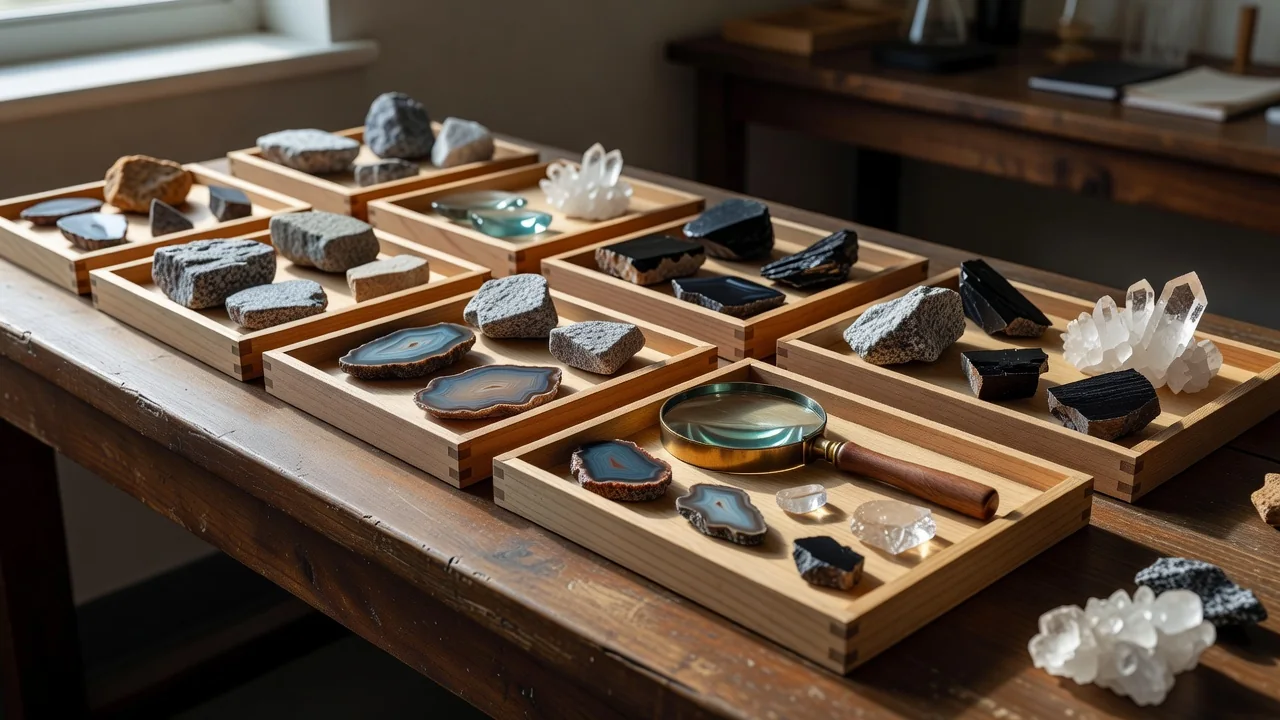
| Geology | Rock and mineral identification, coal measure strata, geological maps and borehole data. |
| Winning and working | Underground and opencast methods, development and depillaring, drilling and blasting. |
| Mine machinery | Winding, haulage, pumps, compressors, conveyors and face machinery. |
| Ventilation and safety | Mine gases, ventilation planning, lamp rooms, rescue basics and the statutory safety framework. |
| Legislation | The Mines Act, Coal Mines Regulations and the role of DGMS in inspections and permissions. |
Learning in a living coalfield
The department's biggest strength is geographic. Dhanbad sits on the Jharia coalfield, one of India's oldest and most intensely worked mining areas. Mine visits, survey practice and vocational training do not require simulation — the industry surrounds the campus.
- Field and survey practice uses real coalfield terrain around Nirsa and Dhanbad.
- Vocational training places students inside operating mines during the course.
- Project work draws on live problems: subsidence, ventilation, haulage, land reclamation.
- Guest exposure comes from serving mine managers, surveyors and safety officers of the region.
Faculty and mentoring
The department is led by senior lecturers in mining and allied subjects, supported by the geology, surveying and workshop staff of the institute. Because class sizes in a government polytechnic are modest, students get individual attention in laboratories and during field work — something large private colleges often cannot match.
Alumni of the department form an informal mentoring network across the coalfields. Senior diploma holders in the mines regularly guide current students on careers, statutory certificates of competency, and the practical expectations of a first posting underground.
Who should choose Mining Engineering
The branch suits students who are comfortable with fieldwork, physical discipline and outdoor conditions. Mining is not a desk-bound profession: survey work, ventilation measurements and face inspections happen in real workings, in shifts, in all seasons.
In return, the branch offers a clear statutory career ladder. Diploma holders can progress toward overman and surveyor certificates of competency under DGMS, join public sector coal companies through apprenticeship and recruitment, or move into higher studies through lateral entry. For a student from the Jharkhand coal belt, it remains one of the most direct routes from Class 10 into a respected technical profession.
From classroom to colliery
The department's location is its laboratory. Studying mining engineering in Dhanbad means the subjects on the blackboard exist physically within a short drive: working collieries, opencast benches, workshops, washeries and the whole infrastructure of extraction. Geology samples are not exotic specimens here; they are the ground under the district.
This proximity shapes what graduates can do. The department's alumni, as the old record notes, have held positions across government and private mining, and a Nirsa mining diploma arrives with local credibility that an identical qualification from a non-mining region must earn the hard way. The branch's sixty seats feed directly into the industry that surrounds the campus.
For applicants weighing the branch, the deciding question is temperament rather than marks. Mining study suits those comfortable with fieldwork, regulation-heavy subjects and an industry where discipline is literal law. The department's long record suggests the choice of fit matters more than raw scores: students who choose it knowingly tend to finish it strongly.