
From Mining Institute to Government Polytechnic: The History of GP Nirsa Since 1958
Government Polytechnic Nirsa, Dhanbad — known for most of its life simply as the Mining Institute, Dhanbad — is one of the oldest technical institutes in Jharkhand's coal belt. Established in 1958 by the state government, it was created to supply trained technicians and supervisors to the mining and mineral industries that dominated the economy of the North Chhotanagpur region.
The choice of location was deliberate. Dhanbad and neighbouring Giridih formed the most mineral-rich division of undivided Bihar, with a dense concentration of coal companies and collieries. Although a Mining Institute already existed at Bhaga, Dhanbad was selected for the new institute because of its far better communication and transport facilities.
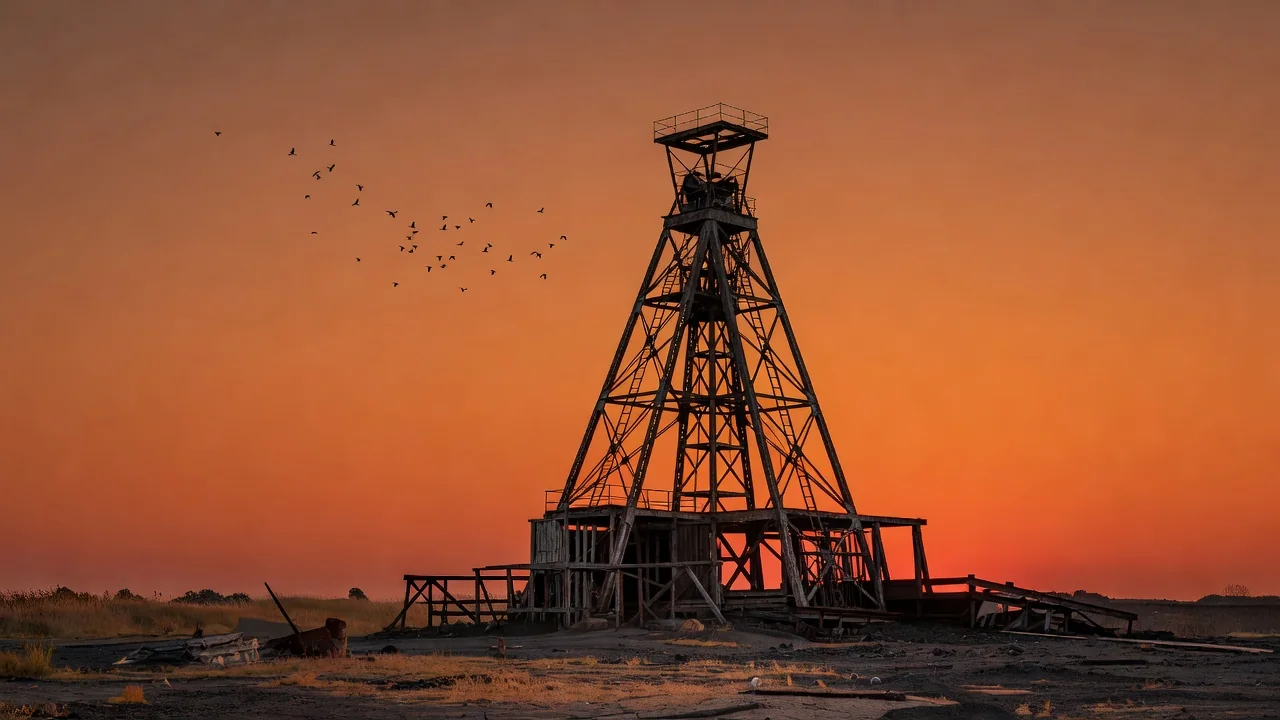
One branch, one purpose
When the institute opened its doors in 1958, it had a single branch of engineering: Mining. The diploma in Mining and Mining Survey was the entire academic programme, and the institute's name reflected that focus. For nearly four decades, from 1958 to 1996, Mining remained the only branch taught on campus.
This narrow specialisation gave the institute a strong identity but also meant it received comparatively less attention when the state government implemented the World Bank-assisted project for strengthening polytechnics in the mid-1990s. Even so, the project brought tangible improvements to the campus:
- A new instructional building for classrooms and departments.
- Residential quarters for staff on the campus.
- A modernised water supply system for the institute.
- Sanction for a new Open Cast Mining branch, later closed on account of statutory considerations.
Expansion in the 2000s
In 1999–2000, an Information Technology branch was sanctioned for the institute, as it was for many other polytechnics of the state. However, the sanction arrived without the creation of faculty posts, technical supporting staff or the infrastructure needed to run the programme properly.
In 2006–2007, three more branches were sanctioned under similar conditions: Computer Science Engineering, Civil Engineering and Mechanical Engineering. The IT and Computer Science branches did not eventually receive extension of approval from AICTE, while the core engineering branches took root.
| Year | Milestone |
|---|---|
| 1958 | Institute established as Mining Institute, Dhanbad, with a diploma in Mining and Mining Survey. |
| Mid-1990s | New instructional building, staff quarters and water supply built under the World Bank-assisted strengthening project. |
| 1999–2000 | IT branch sanctioned; posts and infrastructure not created. |
| 2006–2007 | Computer Science, Civil and Mechanical branches sanctioned. |
| 2026 | AICTE-approved diploma programmes running in Mining, Mechanical and Civil Engineering. |
The institute today
Today Government Polytechnic Nirsa functions as a constituent unit of the Department of Science and Technology, Government of Jharkhand. Its AICTE-approved three-year diploma programmes in Mining, Mechanical and Civil Engineering serve students from Dhanbad, Giridih, Bokaro and the wider coal belt.
The Mining Engineering department remains the soul of the institute — the oldest department, in continuous service to the mining sector since 1958. Generations of its diploma holders have gone on to hold technical and supervisory positions in government and private sector mines across the country.
Few polytechnics in Jharkhand can claim a lineage so closely tied to the industrial history of their region. For applicants who want a technical education rooted in the real economy of the coalfields, the institute's history is not just background — it is the reason the campus exists.
From one branch to three
For its first thirty-eight years, from 1958 to 1996, the institute taught a single discipline: Mining, with Mining Survey beside it. The expansion into Mechanical and Civil Engineering came later, riding the wider strengthening of polytechnics that the state pursued with World Bank assistance in the mid-nineties, when new instructional buildings, residential quarters and water supply systems rose on campuses like this one.
The expansion changed the college's reach without changing its identity. The Academic Activity record lists the three branches with sixty seats each, equal in number but not in history: the mining department had already completed decades of service by the time its younger siblings admitted their first batch. That asymmetry still shapes the campus culture.
What the 1958 legacy means for a student today
A history section matters to an applicant only if it changes a decision, and here it does. An institute that has run continuously since 1958 offers things a new private college cannot print into a brochure: alumni embedded across the region's collieries and departments, workshops equipped over decades, and a name that local employers recognise without explanation.
The legacy also explains the campus's quirks, the older buildings beside newer blocks, the archives of notices going back years, the administrative habits of a government institution. Students who understand that they joined a working piece of the coalfield's history, rather than a startup college, tend to use its depth instead of complaining about its age.