
Top 10 government exams for diploma holders in engineering 2026
For diploma holders in engineering, government jobs offer a rare mix of stability, decent pay, and a clear career path — especially when you land a role through a competitive exam. Unlike private sector hiring, which often leans heavily on experience and networking, many government recruitments are built around transparent selection processes where a solid score can open doors even for fresh graduates. In 2026, the landscape for diploma-level candidates is particularly active: central ministries, state boards, public sector undertakings and railways are all running recruitment drives that explicitly accept three-year engineering diplomas as a qualifying criterion. The key is knowing which exams to target, what the eligibility looks like, and how the selection process actually works — because not every exam treats diploma holders the same way.
Why diploma-level government exams matter
Engineering diploma programmes are designed to be practice-first: they pack core technical concepts into three years and back them up with hands-on lab work and industrial training. That practical orientation lines up well with the roles many government departments need to fill — technicians, supervisors, field engineers and maintenance staff who can hit the ground running. For many diploma holders, these exams are a more realistic entry point than graduate-level tests, since the syllabus tends to focus on applied knowledge rather than advanced theory. Plus, the pay scales, allowances and pension benefits that come with government employment often outweigh the starting salaries in many private firms, especially when you factor in job security and long-term growth.
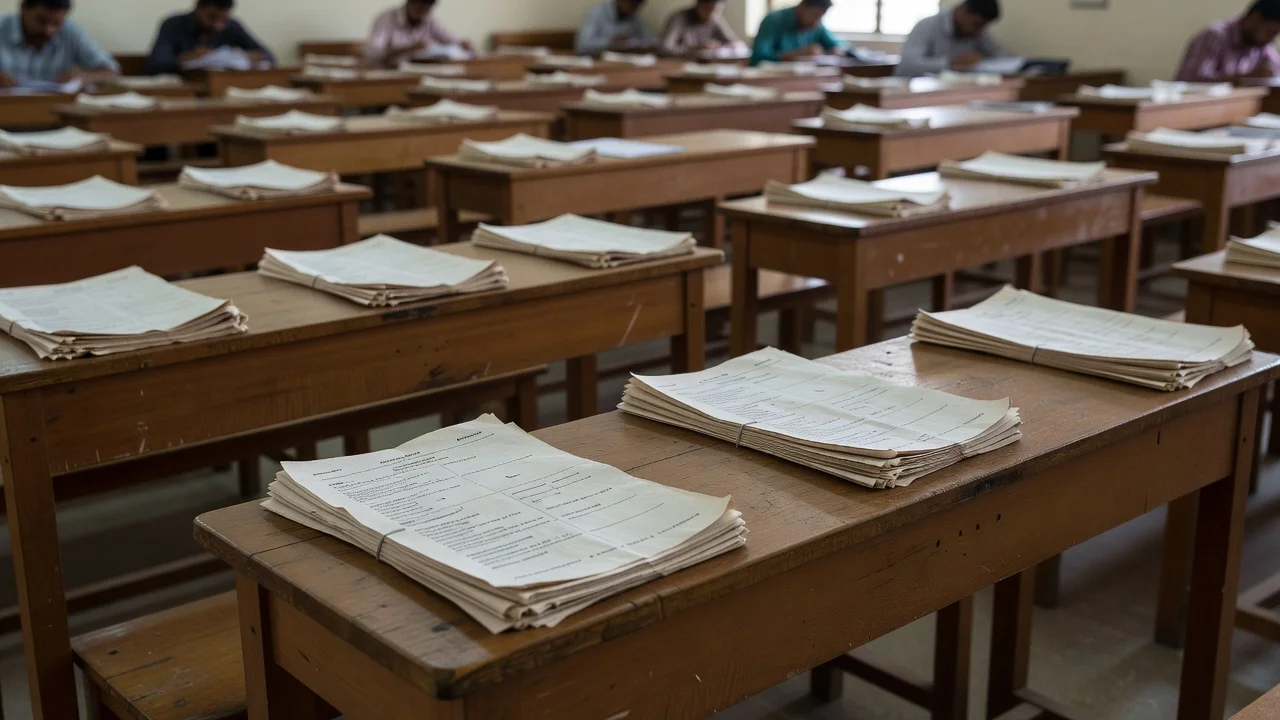
The top 10 exams: overview and key differences
The following table lays out the ten most relevant government exams for engineering diploma holders in 2026. It covers the recruiting body, typical posts, basic eligibility and approximate starting pay so you can quickly compare opportunities and decide where to focus your preparation.
| Exam / Recruitment | Recruiting Body | Typical Posts for Diploma Holders | Eligibility (Diploma Focus) | Approx Starting Pay (Basic) |
|---|---|---|---|---|
| RRB Junior Engineer (JE) | Railway Recruitment Boards | JE (Civil, Electrical, Mechanical, Electronics) | 3‑year diploma in relevant branch from recognised institute | ₹35,400 – ₹112,400 (7th CPC) |
| SSC Junior Engineer (JE) | Staff Selection Commission | JE (Civil, Electrical, Mechanical) | Diploma in Engineering from recognised board; branch must match post | ₹35,400 – ₹112,400 (7th CPC) |
| Coal India Limited Non‑Executive Posts | CIL Subsidiaries (MCL, SECL, WCL, etc.) | Mining Sirdar, Junior Overman, Surveyor | Diploma in Mining/Mine Surveying; DGMS certs often required | ₹47,330+ (NCWA‑XI) + allowances |
| NTPC Technician & Trainee Roles | NTPC Limited | Technician (Electrical, Mechanical, Instrumentation), Trainee | Diploma in relevant trade; some posts require specific certifications | ₹25,000 – ₹45,000 (pre‑allowance) |
| BHEL Apprentice & Technician Posts | Bharat Heavy Electricals Ltd | Electrician, Fitter, Machinist, Technician | Diploma or ITI in relevant trade; age limits apply | Stipend/Pay as per norms + training |
| PWD Junior Overseer / Supervisor | State Public Works Departments | Junior Overseer (Civil), Supervisor | Diploma in Civil Engineering; state‑specific age & residency rules | Varies by state; typically ₹30,000–₹50,000 gross |
| UPPSC AE & Junior Engineer (State Level) | Uttar Pradesh PSC | AE Trainee, JE (Civil/Electrical) | Diploma holders eligible for JE; AE usually needs degree | JE: ₹35,400–112,400; AE higher scale |
| MPSC Sub Engineer & Junior Engineer | Maharashtra PSC | Sub Engineer (Civil, Electrical), JE | Diploma in relevant branch; Maharashtra residency often required | State pay scale; includes DA, HRA |
| DRDO Technician & Junior Scientific Assistant | Defence Research & Development Org | Technician (Electronics, Mechanical), JSA | Diploma in relevant field; strict medical & security checks | Pay level as per 7th CPC; allowances apply |
| THDC India Ltd Technical Posts | Tehri Hydro Development Corp | Technician, Field Supervisor, Draftsman | Diploma in Electrical/Mechanical/Civil; some posts need specific certs | Competitive basic pay + site allowances |
This comparison shows that while the exams differ in recruiting body and exact posts, they share a common trait: they value practical skills and recognise the diploma as a legitimate qualification. What sets them apart are the specific requirements — some demand branch‑matched diplomas, others require certifications like DGMS or NIOS, and a few have strict state domicile rules. The pay scales also vary widely: PSU roles like CIL and NTPC offer structured wage agreements with substantial allowances, while state PSC posts follow state pay matrices that include dearness allowance and house rent allowance.
Understanding these distinctions helps you avoid wasting time on exams where you don’t meet the criteria and focus instead on the ones where your diploma actually qualifies you. It also highlights the importance of checking the latest notification for each exam, because eligibility and vacancy patterns can shift year to year.
Branch‑wise eligibility and matching opportunities
One of the biggest mistakes diploma holders make is treating all government exams as generic “engineering” tests. In reality, recruiters match your diploma branch to specific posts — and if the branches don’t align, your application can be rejected even before the exam. Here’s how the main engineering branches map to the top exams:
- Civil Engineering: RRB JE (Civil), SSC JE (Civil), PWD Junior Overseer, UPPSC/MPSC JE, MPSC Sub Engineer. These roles lean heavily on site supervision, drawing interpretation, quantity surveying and basic design calculations — all areas well covered in a civil diploma.
- Electrical Engineering: RRB JE (Electrical), SSC JE (Electrical), NTPC Technician, BHEL Electrician/Technician, DRDO JSA/Technician. Expect questions on circuits, machines, protection systems and safety norms, plus practical troubleshooting scenarios.
- Mechanical Engineering: RRB JE (Mechanical), BHEL Fitter/Machinist/Technician, NTPC Mechanical Technician, THDC Field Supervisor. The focus here is on thermodynamics, fluid mechanics, machine design and maintenance procedures.
- Mining Engineering: Coal India Mining Sirdar/Junior Overman/Surveyor. This is one of the few exams where a branch‑specific diploma plus DGMS certification is practically mandatory.
- Electronics & Instrumentation: RRB JE (Electronics), DRDO Technician, NTPC Instrumentation Technician. Topics include control systems, sensors, PLCs and basic communication principles.
Matching your diploma branch to the right exam dramatically improves your chances. For example, a civil diploma holder aiming for an electrical post at BHEL will likely be ineligible, while the same candidate could be a strong fit for PWD or RRB Civil JE roles. Always cross‑check the official notification’s “essential qualifications” section to confirm branch eligibility before applying.
Selection process patterns and what they test
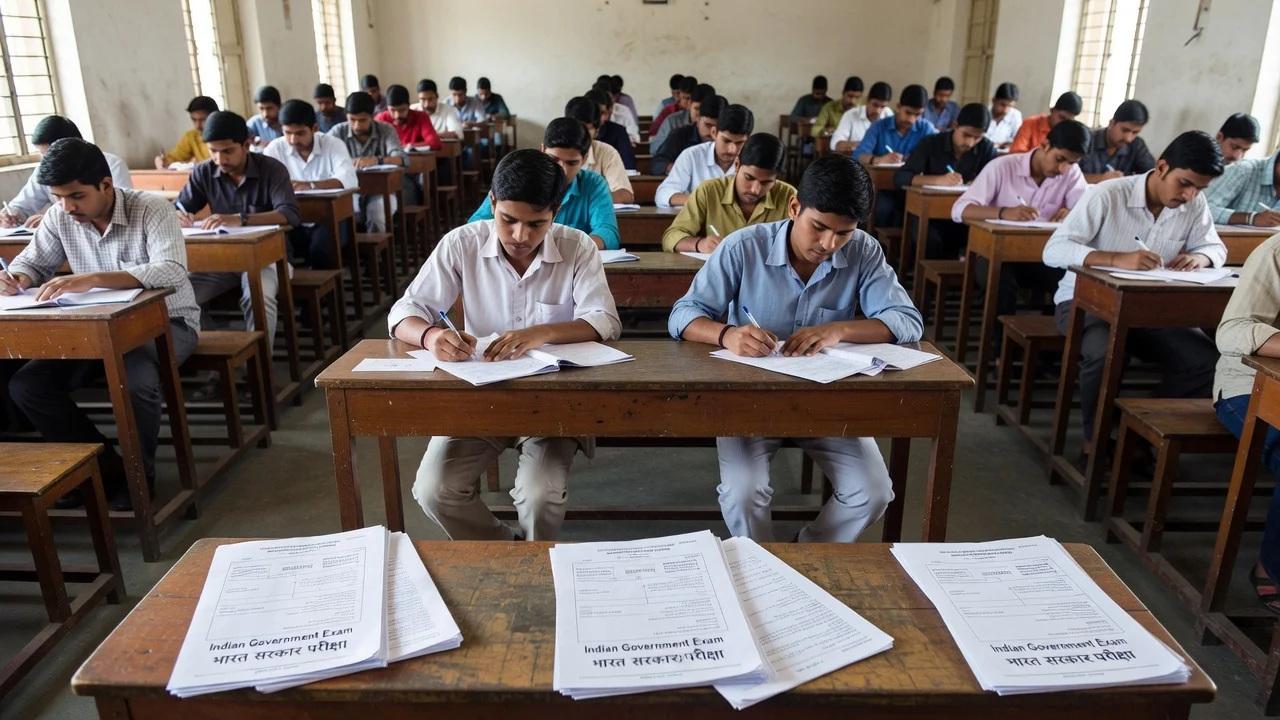
While each exam has its own quirks, the selection blueprints tend to follow similar patterns. Knowing these patterns helps you tailor your study plan instead of trying to cover everything under the sun. The following numbered list breaks down the typical structure and what each stage actually measures:
- Computer Based Test (CBT) — this is the first hurdle in almost every exam. It usually has 100–120 multiple‑choice questions covering general awareness, reasoning and technical subjects. The technical portion is where your diploma knowledge matters most: expect questions on core subjects like strength of materials, electrical circuits, thermodynamics or mine safety, depending on the post.
- Trade/Skill Test (where applicable) — some exams, especially those with “Technician” or “Field Supervisor” posts, add a hands‑on component. This might involve reading blueprints, identifying tools, measuring components or simulating a basic repair task. It’s designed to verify that your theoretical knowledge translates into practical ability.
- Document Verification — after you clear the written/skill test, the recruiting body checks your original certificates. This is where details matter: your diploma marksheet, date of birth proof, caste/category certificates and any required certifications must exactly match what you declared online.
- Medical Examination — certain posts, particularly in railways, PSUs and defence, require a medical fitness test. They’re looking for physical ability to perform the job safely — good vision, hearing, stamina and the capacity to work in field conditions.
- Personal Interview (rare for diploma posts) — most diploma‑level non‑executive roles skip interviews entirely, relying on the CBT and skill test scores to build the merit list. When an interview does appear, it’s usually to assess communication skills and basic understanding of safety and work ethics.
What this structure tells you is that preparation must be both broad and targeted. You need enough general knowledge to handle the awareness section, but the bulk of your effort should go into mastering the technical syllabus that aligns with your diploma. Practising previous years’ papers and taking timed mock tests is essential to build speed and accuracy, since many exams have no negative marking but very tight time limits.
Common eligibility traps and how to avoid them
Even strong candidates get rejected at the document verification stage because of overlooked eligibility rules. These are the most common pitfalls and how to sidestep them:
- Branch mismatch — always confirm that your diploma branch matches the advertised post. Some recruitments accept multiple branches, but others are strictly branch‑specific.
- Minimum percentage requirements — many exams set a minimum aggregate (often 45–50%) in your diploma. If your marksheet falls short, you won’t qualify, no matter how well you perform in the exam.
- Age limits and relaxations — each exam sets its own upper age limit, with relaxations for reserved categories. Check the exact cut‑off date and calculate your age accordingly.
- Residency and domicile rules — state PSC exams like UPPSC and MPSC often require candidates to be residents of that state. If you don’t meet this, your application will be disqualified.
- Required certifications — PSU and mining exams sometimes require additional certificates (DGMS, NIOS, First Aid) as part of the eligibility. These must be valid on the crucial date mentioned in the notification.
Being proactive about these rules saves you from last‑minute surprises. Keep your original documents and self‑attested copies ready, and double‑check the notification’s eligibility section before you apply.
How to build a realistic preparation plan
With multiple exams running in overlapping cycles, it’s easy to spread yourself too thin. A focused plan keeps you on track without burnout. Start by listing the exams you’re eligible for based on your branch, percentage and age. Then, prioritise 2–3 exams that align with your career goals and have the largest vacancy numbers. Use the official syllabus from each notification to map out the topics you need to cover, and allocate time proportionally: for most diploma‑level exams, 70% of your study time should go to technical subjects, 20% to general awareness and 10% to practice tests.