
Apprenticeships in the Dhanbad Coal Belt: The Diploma Holder's First Year in Industry
For a fresh diploma holder in Dhanbad, the shortest path into the coal economy often runs through a word that students underrate: apprenticeship. Under the Apprentices Act, establishments across India, including Coal India subsidiaries and the contractor ecosystem around the Jharia coalfield, take on diploma holders as trade or technician apprentices for a fixed period against a monthly stipend. For many Nirsa graduates, that year becomes the bridge between the diploma and a permanent technical job.
This guide explains how apprenticeship actually works in the Dhanbad coal belt, where to find openings, what the year teaches, and how to convert it into employment.
What the apprenticeship scheme offers a diploma holder
The National Apprenticeship Training Scheme places diploma holders as technician apprentices in industry for a period that is typically one year. The apprentice receives a monthly stipend, part funded by the government, and works inside a real operation under experienced staff. At the end comes a certificate of apprenticeship that employers across the country recognise, because it certifies something a marksheet cannot: time inside a working plant or mine.
The scheme exists because of a genuine gap. A diploma proves you studied the trade; an apprenticeship proves you practised it under production pressure. Employers hiring junior technical staff routinely prefer the candidate with both, and many treat their own apprentices as the first pool for permanent vacancies.
Where the openings are around Dhanbad
The coal belt's advantage is density. Bharat Coking Coal Limited and other Coal India subsidiaries run apprenticeship engagement across their areas and projects in and around Jharia. Central Coalfields recruits within reach. Around them sits a deep layer of establishments that must engage apprentices under the Act: washeries, power plants, cement works, heavy engineering workshops and the larger mining contractors.
The discovery channels are concrete rather than mysterious:
- The national apprenticeship portal, where establishments post openings and candidates register.
- Recruitment notices from Coal India subsidiaries, published on their websites and in employment news.
- The institute's Training and Placement officer, who receives establishment circulars.
- Walk-in apprenticeship melas that state skill missions organise periodically.
Registration on the apprenticeship portal should happen in the final semester, not after results. Establishments filter by branch, year and location, and a registered candidate hears about openings that an unregistered one never sees.
| Employer type | Typical apprentice role | What the year teaches | Conversion prospects |
|---|---|---|---|
| Coal India subsidiaries | Technician apprentice, mining or mechanical | Colliery operations, safety discipline, statutory systems | Strong; PSU experience carries weight everywhere |
| Large mining contractors | Site technician, survey support | Production pace, contractor workflows, machinery | Good; contractors absorb their own apprentices |
| Power and cement plants | Maintenance apprentice | Plant maintenance systems, shutdowns, safety permits | Moderate; valued for later plant jobs |
| Engineering workshops | Machine shop apprentice | Production machining, quality checks, drawing reading | Moderate; builds portable shop-floor skill |
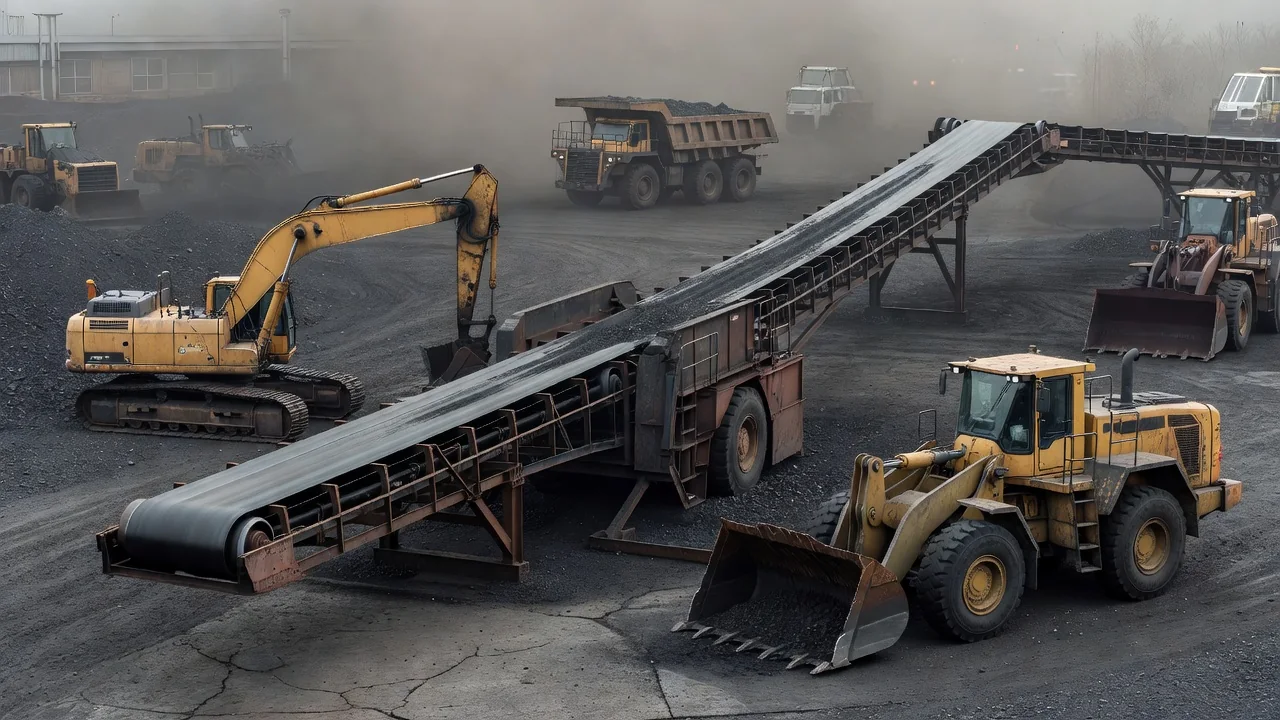
What the year actually teaches
Apprentices consistently describe the same education. The first lesson is discipline: shifts start on time, safety rules are enforced, and absenteeism has consequences that a lenient college never taught. The second is scale: machinery in a working mine or plant is larger, faster and less forgiving than anything in a training workshop. The third is paperwork: logbooks, permits, checklists and reports, the administrative skeleton of every industrial operation.
For a mining diploma holder, the apprenticeship also opens the statutory track. Experience in a mine counts toward eligibility for certificates of competency under the mines regulations, the qualifications that eventually lead to supervisory roles. A year as an apprentice is not a pause in a career; in mining it is often the first formal step of one.
The mistakes that waste the opportunity
Some apprentices treat the year as paid waiting and leave with a certificate and no skill. The errors are consistent. They avoid the difficult sections and gravitate to comfortable duties. They never ask the experienced technicians to explain the machinery. They keep no record of what they worked on, and then cannot describe it in the next interview. They ignore the establishment's own vacancy notices until the apprenticeship is over.
The apprentice who converts the year into a career does the opposite: volunteers for the hard sections, maintains a private log of machines and jobs handled, learns the names and roles across the department, and watches the notice board from month one. Establishments notice both kinds, and permanent offers follow only one of them.
Money, certificates and the fine print
The stipend for technician apprentices is fixed by government notification and revised periodically, so candidates should check the current rate on the official portal rather than quote an old figure. The apprenticeship contract is registered, the period does not count as employment for most service purposes, and the apprentice is not automatically entitled to a job at the end. These are the honest terms, and knowing them prevents the disappointment that comes from assuming otherwise.
What the apprentice is entitled to is the training itself and the certificate that follows it. In the Dhanbad market, where every junior technical vacancy draws stacks of identical diplomas, that certificate is the line on the CV that makes an interviewer look up. The students who understand this stop asking whether an apprenticeship is worth a year, and start asking how early they can register.