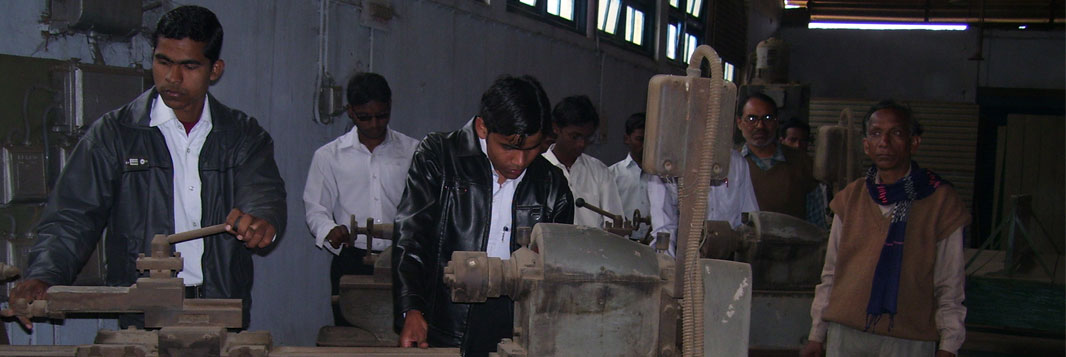
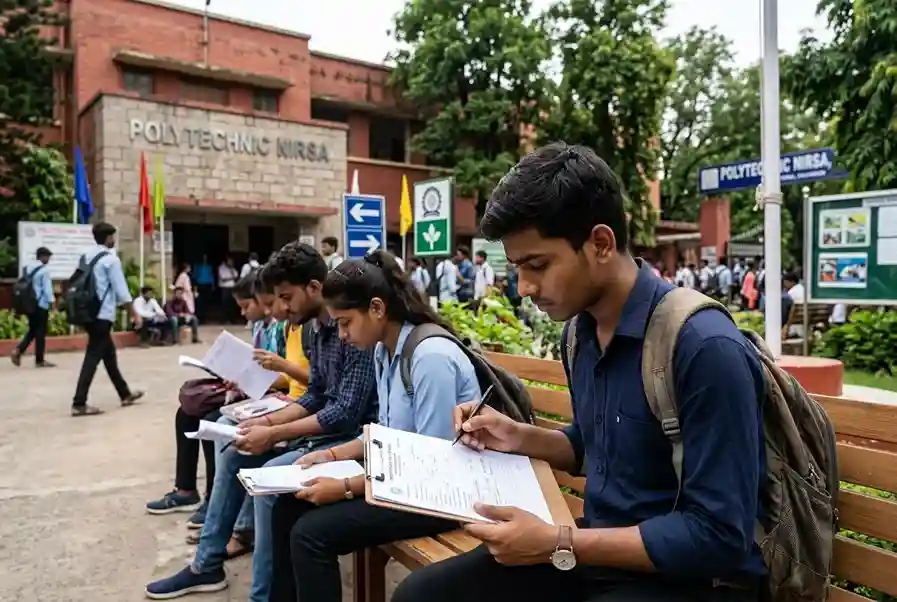
Jharkhand PECE 2026 is the main route for students who want admission to diploma engineering courses in government and private polytechnic institutes across the state. For many candidates from Dhanbad, Giridih, Bokaro, Jamtara and nearby areas, Government Polytechnic Nirsa is one of the most practical choices because it is a government institute, has an old technical education background, and is connected with the industrial belt of Jharkhand.
Polytechnic Nirsa, Dhanbad, is often searched by students who want a diploma after Class 10 and are looking for a college that offers a direct path into technical work, junior engineering roles, lateral entry possibilities, and further study. The admission process is not difficult, but it becomes confusing when students do not understand the role of PECE, counselling, choice filling, documents, seat allotment and branch preference. A good rank alone is not enough. A candidate also needs to apply on time, fill the form correctly, choose the institute carefully during counselling, and complete admission formalities without missing any deadline.
Understanding jharkhand PECE 2026 and Polytechnic Nirsa
Jharkhand Polytechnic Entrance Competitive Examination, commonly called PECE, is conducted for admission to diploma-level polytechnic courses in Jharkhand. The exam is meant for students who want to enter technical education after school and build a career in engineering-related fields without directly going into a four-year B.Tech programme. For many families, a diploma is attractive because the course is shorter, more affordable than many private engineering options, and strongly linked with practical skills.
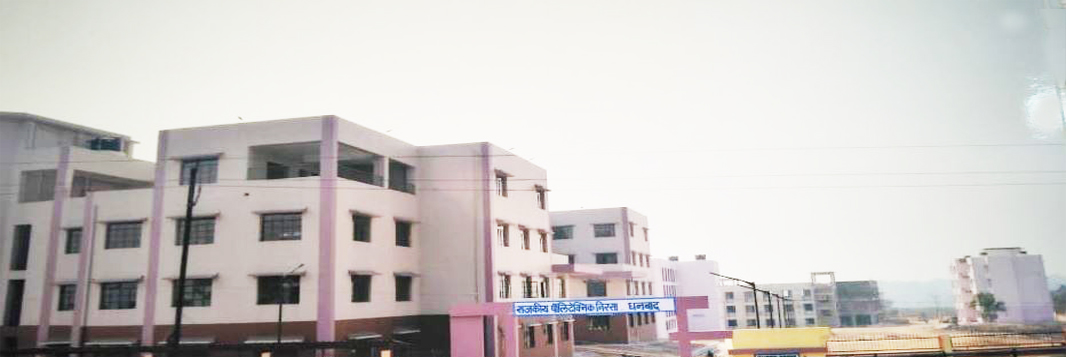
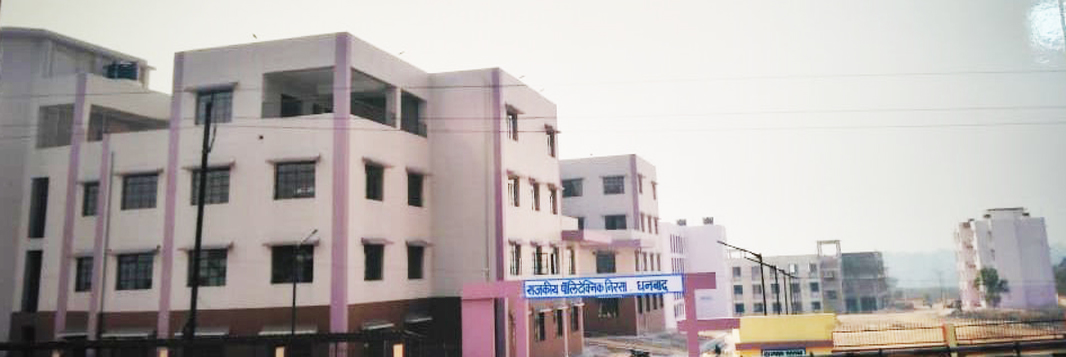
Polytechnic Nirsa Dhanbad is officially known as Government Polytechnic Nirsa. It has a long history in technical education and is associated with the mining and industrial character of Dhanbad. This matters because the location is not just a postal detail. Dhanbad and the nearby belt have mines, workshops, construction activity, transport links, public sector units, contractors and industrial service networks. A student studying in such an area gets natural exposure to the world where diploma engineers often work.
Admission to Polytechnic Nirsa is not done by simply visiting the college and asking for a seat. A candidate normally has to go through the state admission system. The PECE score, rank, category, reservation rules, available seats and branch preference all play a role. During counselling, students choose colleges and branches. If the rank and seat availability match, the candidate may be allotted Polytechnic Nirsa.
The college is especially relevant for students who are interested in traditional engineering branches. Many applicants look at it for courses connected with mining, mechanical and civil fields. These branches suit the region because Jharkhand has strong demand in mining operations, construction, public works, workshops, maintenance, site supervision and technical support roles. A diploma from a government polytechnic can also help students who later want to appear for lateral entry into engineering degree courses.
The biggest mistake many candidates make is treating PECE as only an entrance exam. It is actually the starting point of a full admission chain. A candidate has to follow the official schedule, download the admit card, appear for the exam, check the result, register for counselling if required, fill choices, accept allotment, verify documents and report to the institute. Missing one step can cost a seat even if the exam score is decent.
Eligibility, application and documents
A student planning admission to Polytechnic Nirsa through Jharkhand PECE 2026 should first check eligibility carefully. The basic idea is simple: the candidate should have the required school qualification, should meet the age and category conditions mentioned in the official notice, and should submit accurate personal and academic details. The official PECE prospectus should always be treated as the final authority because rules can change from one admission year to another.
Most candidates applying for diploma engineering after Class 10 need to provide school details, marks information, personal identity information, address details and category-related documents if they want reservation benefits. The application form should be filled slowly and correctly. Many students lose time later because their name spelling, date of birth, category, photograph, signature or school details do not match the documents they present during verification.
The PECE 2026 application is online through the official examination system. Candidates should avoid third-party shortcuts and should not depend only on social media screenshots. The safest approach is to use the official portal, read the notification, check the prospectus, then fill the form. The application fee, photo format, signature format and correction rules should be checked before final submission.
A student should keep the following documents ready before filling the form and before counselling:
• Class 10 admit card or certificate showing date of birth.
• Class 10 marksheet or equivalent academic document.
• Recent passport-size photograph in the required format.
• Scanned signature as per the application instructions.
• Valid mobile number and email address.
• Aadhaar card or other accepted identity proof, if required.
• Caste certificate, income certificate, residential certificate or EWS certificate, if applicable.
• Disability certificate, if applying under a relevant category.
• Payment details for the application fee.
These documents are not just formalities. They connect the application form with the candidate’s real eligibility. If a student claims reservation but cannot show a valid certificate during counselling, the claim may not be accepted. If the candidate enters marks wrongly, the verification stage can become stressful. It is better to prepare a clean folder with original documents, photocopies and digital copies before the counselling period begins.
For Polytechnic Nirsa, the same general rule applies as for other government polytechnics: admission depends on the state counselling process and seat availability. Students should not assume that selecting the college name once is enough. They need to understand branch order, rank range, category seat availability and reporting instructions.
Exam pattern, preparation and rank strategy
Jharkhand PECE is designed for school-level students, so the exam does not require advanced engineering knowledge. The important subjects are usually based on mathematics and science concepts taught up to the school level. The question style tests clarity, speed and accuracy. Students who prepare only by reading theory often struggle because the entrance exam also checks how quickly they can solve objective questions.
A serious candidate should make a preparation plan around three areas: concept revision, practice questions and mock tests. Mathematics needs daily practice because formulas are easy to forget when they are not used. Physics requires understanding of basic laws, units, motion, electricity, heat and related topics. Chemistry usually needs a mix of conceptual clarity and memory-based preparation. A candidate who studies all three in balance has a better chance of securing a useful rank.
The preparation should not become unnecessarily complicated. Many students spend more time collecting books, notes, apps and videos than actually solving questions. A simple routine works better: revise one topic, solve examples, attempt objective questions, mark mistakes, and return to weak areas after two or three days. PECE is not only about knowing the answer. It is also about avoiding silly mistakes under time pressure.
The rank strategy should be connected with the target college. If Polytechnic Nirsa is the preferred option, the student should aim for the best possible score rather than preparing only to pass. Government polytechnic seats can become competitive, especially in popular branches. The final allotment depends on many factors, including category, branch, round of counselling and choices filled by other candidates.
A practical preparation table can help students understand how to use the months before the exam.
| Preparation area | What to focus on | Practical method |
|---|---|---|
| Mathematics | Algebra, geometry, mensuration, trigonometry, basic arithmetic and problem-solving speed | Solve 25–40 questions daily and revise formulas every week |
| Physics | Motion, force, work, energy, electricity, heat and basic measurement | Make short notes and solve numerical questions after each topic |
| Chemistry | Matter, atoms, chemical reactions, acids, bases, metals and common compounds | Prepare topic-wise notes and revise definitions regularly |
| Mock tests | Time management, accuracy and exam temperament | Attempt full-length tests and analyse mistakes the same day |
| Counselling awareness | College choice, branch order, documents and deadlines | Track official notices and keep certificates ready before results |
The table shows that preparation is not only about the written exam. A student who prepares well but ignores counselling may still miss a good seat. A student with an average rank but careful choice filling can sometimes get a better result than expected in later rounds. That is why exam preparation and admission planning should move together.
Rank strategy also depends on branch preference. If a student wants a high-demand branch, the choice filling order should be realistic but not fearful. Polytechnic Nirsa should be placed according to genuine preference. If it is the first choice, it should be placed above colleges the student does not actually want. Random choice filling can create problems because the allotment system follows the order selected by the candidate.
Choosing Polytechnic Nirsa and the right branch
Choosing a polytechnic college should never be based only on distance from home. Distance matters, especially for families who want affordable education, but the branch, institute background, learning environment and career direction matter more. Polytechnic Nirsa has value because it is a government institute in Dhanbad, a district strongly connected with mining, industry and technical work. Still, students should match the college with their own goals.
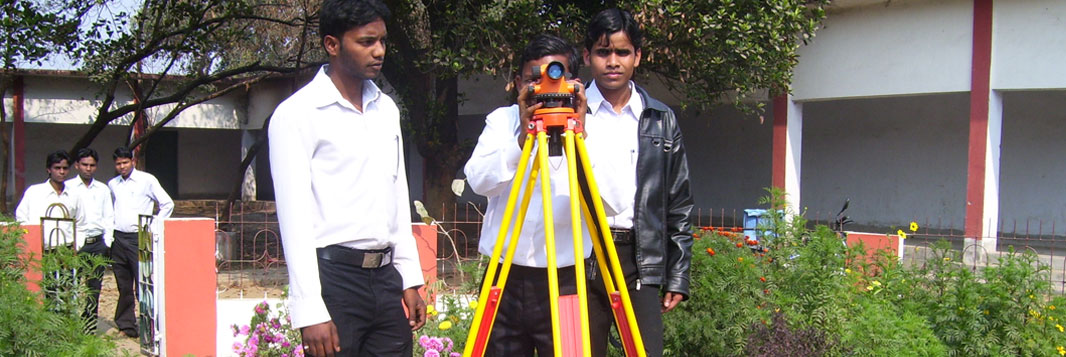
A diploma branch shapes the first career direction of a student. Civil engineering can lead toward construction, surveying, site supervision, public works, building projects and infrastructure-related roles. Mechanical engineering can lead toward workshops, maintenance, production, machines, equipment, industrial services and technical supervision. Mining-related study has special relevance in the Dhanbad region because of the area’s mining history and industrial ecosystem.
Students should not choose a branch only because someone says it is “best”. The better question is whether the branch suits the student’s interest, strengths and long-term plan. A student who enjoys drawings, structures, measurements and field work may feel comfortable in civil. A student who likes machines, tools, engines and manufacturing may prefer mechanical. A student who understands the mining environment and wants to work in that sector may consider mining-related options seriously.
Polytechnic Nirsa can be a sensible option for students who want a grounded technical education rather than a purely classroom-based experience. Government polytechnics usually attract students from diverse backgrounds. Some want jobs soon after diploma, some want to prepare for government technical posts, some want apprenticeships, and some plan to enter B.Tech through lateral entry. This mix creates a practical learning environment where students discuss real career routes, not just marks.
Before final choice filling, candidates should check the latest course list, seat matrix and counselling booklet. Seats are not fixed by assumption. They are announced through the official admission process, and the availability in each branch can depend on approval and state counselling rules. If the candidate has a strong preference for Polytechnic Nirsa, the college should be placed carefully in the choice list along with realistic backup options.
The choice list should balance ambition and safety. A student may include highly preferred colleges and branches at the top, followed by acceptable alternatives. The mistake is filling only one college and one branch without understanding the risk. Another mistake is putting a less preferred option above Polytechnic Nirsa and then regretting the allotment. The counselling system cannot read the student’s mind. It follows the order submitted.
Counselling, seat allotment and admission reporting
After the PECE result, the admission process moves into counselling. This stage decides where the candidate may actually get a seat. Students should read every counselling notice carefully because the schedule, fee payment, choice filling, locking, seat allotment and reporting dates are time-bound. A candidate who misses the deadline may lose the chance for that round.
Counselling usually requires candidates to register or participate through the official system, fill college and branch choices, and wait for allotment based on rank and availability. If Polytechnic Nirsa is the target, it should be included in the choice list with the desired branch order. The candidate should not fill choices casually from a random YouTube list. The order should reflect real preference.
Seat allotment is not a guarantee of final admission until the required steps are completed. After allotment, the candidate may need to download the allotment letter, pay the required fee, verify documents and report to the allotted institute within the given date. At Polytechnic Nirsa, reporting means the candidate must complete the institute-level formalities as instructed. This may include document checking, fee submission, admission form, photographs and other declarations.
The most important point is that the name in the application, certificates and identity proof should match. Small spelling differences can create unnecessary delay. Category certificates should be valid and in the correct format. Residential certificates should be arranged in advance if required. Students from reserved categories should not wait until the last week to prepare documents because certificate processing can take time.
Parents also play an important role at this stage. Many candidates are young and may be handling an official admission process for the first time. A parent or guardian should help track dates, keep receipts, arrange travel to the institute and check the document folder. However, the student should also understand the process personally because this is the beginning of technical education and independent responsibility.
If a student gets a branch or college that is not the first preference, the decision should be taken calmly. The candidate should check whether upgradation or further rounds are available. Sometimes students accept a seat and still participate in later movement, depending on the official counselling rules. No decision should be made from panic. The official instructions should decide the next step.
For admission to Polytechnic Nirsa, candidates should also consider local arrangements. If the student is not from Nirsa or nearby Dhanbad, travel, accommodation, daily commute, food and study routine should be discussed before final reporting. A government polytechnic seat is valuable, but the student must be able to attend classes regularly. Diploma education includes practical work, labs and attendance requirements, so casual attendance can damage academic progress.
Life after admission and career direction
Getting admission into Polytechnic Nirsa is not the finish line. It is the start of a three-year technical journey. Students who enter diploma courses after Class 10 often need time to adjust because the learning style changes. School education is mostly textbook-based, while polytechnic education includes workshops, drawings, labs, assignments, practical files, internal exams and semester results. The student must become consistent from the beginning.
The first year is especially important because it builds the base for technical subjects. Many students become careless after admission and then struggle in later semesters. A better approach is to build discipline early: attend classes, complete practical work on time, revise weekly and ask teachers when a topic is not clear. A diploma student who develops strong basics can perform better in internships, apprenticeships, interviews and lateral entry exams.
Polytechnic Nirsa’s location can be useful for students who are alert and career-focused. Dhanbad and nearby areas have a technical employment culture. Diploma holders may find opportunities in construction companies, mining-related services, workshops, public sector support roles, private contractors, maintenance units and government technical recruitment, depending on branch, marks, skills and vacancies. No college can guarantee a career automatically, but the right student can use the environment well.
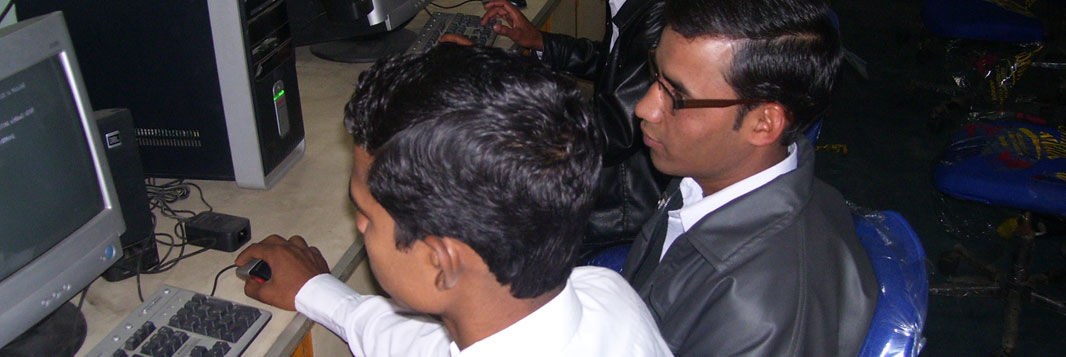
Students should also start building employability skills during the course. English communication, basic computer knowledge, drawing reading, measurement skills, safety awareness and report writing can make a visible difference. Technical knowledge is important, but employers also notice punctuality, practical attitude and willingness to learn. A diploma student who can explain work clearly often stands out from someone who only has marks.
There are several useful directions after completing a diploma:
• Apply for junior engineer, technician, supervisor or trainee roles in relevant sectors.
• Enter apprenticeship programmes and gain practical industrial experience.
• Prepare for government technical posts where diploma qualification is accepted.
• Take lateral entry admission into the second year of a B.Tech or B.E. programme.
• Build branch-specific skills such as AutoCAD, surveying, machine maintenance, safety practices or workshop tools.
• Continue improving mathematics, communication and computer skills for long-term growth.
The best path depends on the student’s branch, financial situation and career ambition. Some students need a job quickly after diploma, while others can continue higher education. Both routes are valid. What matters is that the student should not wait until the final semester to think about the future. Career planning should begin from the first year itself.
A student entering Polytechnic Nirsa through Jharkhand PECE 2026 should look at the admission as an opportunity to build a stable technical foundation. The college name can open the door, but the student’s attendance, practical work, discipline and skill development decide the real outcome. PECE gives the entry route. The next three years decide how far that route can lead.
Conclusion
Jharkhand PECE 2026 is the correct admission path for students who want to study at Polytechnic Nirsa Dhanbad through the state polytechnic system. The process begins with the online application and continues through the entrance exam, result, counselling, choice filling, seat allotment, document verification and institute reporting. Every stage matters, and students should treat deadlines and documents with the same seriousness as exam preparation.
Polytechnic Nirsa is a strong option for candidates who want a government diploma institute in the Dhanbad region and are interested in practical technical education. The best chance of admission comes from a clear plan: fill the PECE form correctly, prepare with discipline, aim for a good rank, choose branches wisely and follow counselling instructions without delay. A diploma from a government polytechnic can become a strong career base when the student uses the three years seriously and builds both technical and practical skills.