
The global mining industry is entering a new phase of technological transformation. Automation, artificial intelligence, and digital monitoring systems are reshaping the way minerals are extracted, processed, and transported. At the center of this transformation is smart mining technology, a concept that integrates advanced digital tools with traditional mining operations to improve safety, efficiency, and sustainability.
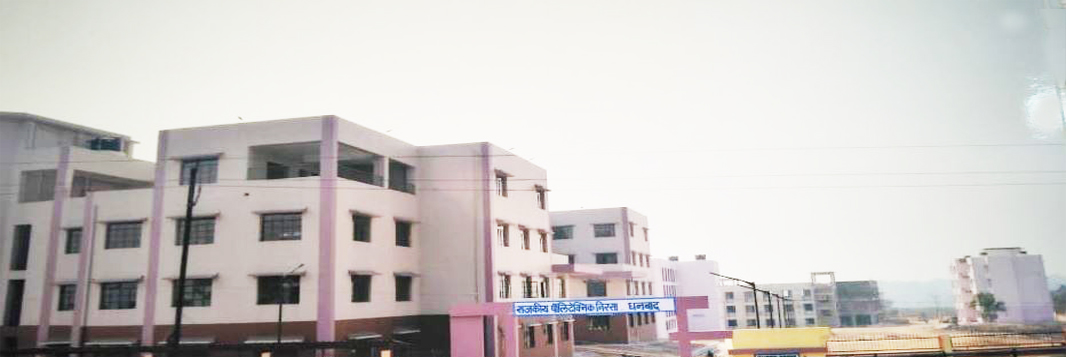
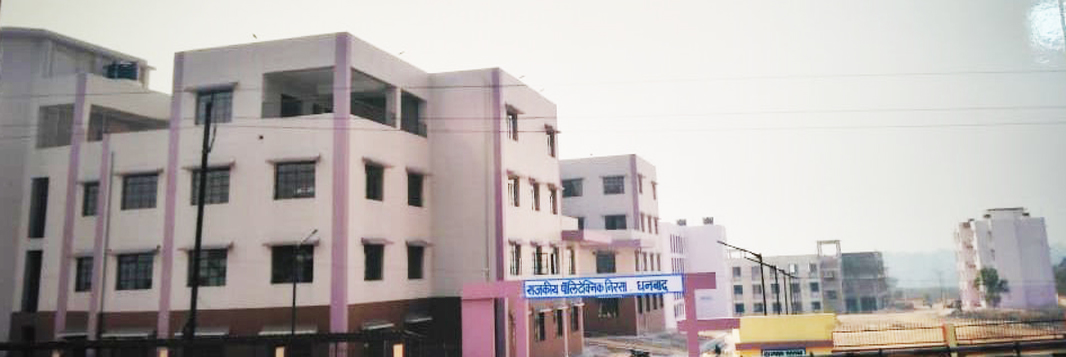
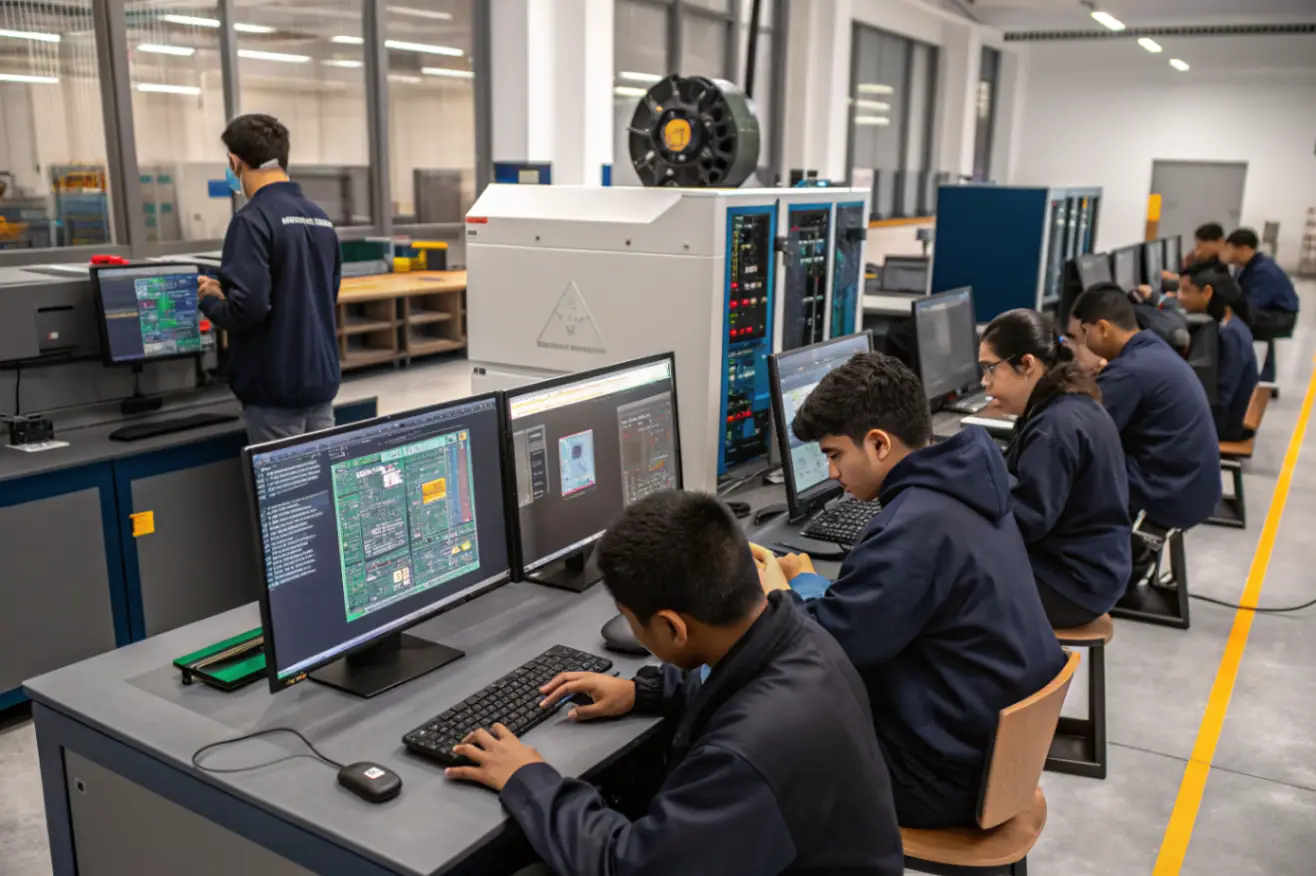
In 2026, this shift is no longer limited to large international mining corporations. Educational institutions are also adapting their programs to prepare the next generation of engineers. One notable example comes from India, where students at Government Polytechnic Nirsa are learning how to work with digital mining systems, IoT sensors, AI-driven geological analysis, and autonomous machinery.
The initiative reflects a broader global trend: mining engineers of the future will need strong technical skills not only in geology and extraction methods, but also in data analytics, robotics, and automation.
The Rise of Smart Mining Technology in the Global Industry
The mining sector has historically relied on heavy machinery, manual monitoring, and experience-based decision making. However, as demand for minerals increases and environmental standards become stricter, companies are turning to digital solutions.
Smart mining technology integrates multiple digital systems to create highly efficient and safe mining operations. These technologies allow companies to monitor underground conditions in real time, predict equipment failures, and automate many tasks that previously required human labor.
One of the key drivers behind this transformation is safety. Mining remains one of the most hazardous industries in the world, with risks ranging from gas leaks and cave-ins to equipment accidents. Smart monitoring systems can detect dangerous conditions long before they become critical.
Another factor is productivity. With real-time data and predictive analytics, mining companies can optimize drilling operations, reduce downtime, and manage resources more effectively.
Industry events and conferences in India during 2026 have highlighted how automation, robotics, and AI are rapidly becoming standard tools across the mining sector. These developments have also influenced universities and technical institutes, which now recognize the need to train engineers capable of working in digital mining environments.
Smart Mining Technologies Students Study at Government Polytechnic Nirsa
Government Polytechnic Nirsa has begun integrating modern mining technologies into its educational programs. The goal is to ensure that graduates are prepared for the evolving demands of the mining industry.
Students are introduced to various digital tools that are already used in modern mines around the world.
| Technology | Application in Smart Mining | Educational Focus |
|---|---|---|
| IoT monitoring systems | Real-time monitoring of underground conditions | Sensor networks and data interpretation |
| Artificial intelligence | Geological data analysis and resource prediction | AI modeling and data analytics |
| Autonomous mining vehicles | Automated transport and excavation | Robotics and machine automation |
| Drone mapping | High-resolution terrain and mine mapping | Remote sensing and aerial data processing |
| Digital safety systems | Hazard detection and worker monitoring | Safety analytics and control systems |
These technologies represent the backbone of the smart mining technology ecosystem. By learning how these systems operate and interact with each other, students gain a comprehensive understanding of modern mining infrastructure.
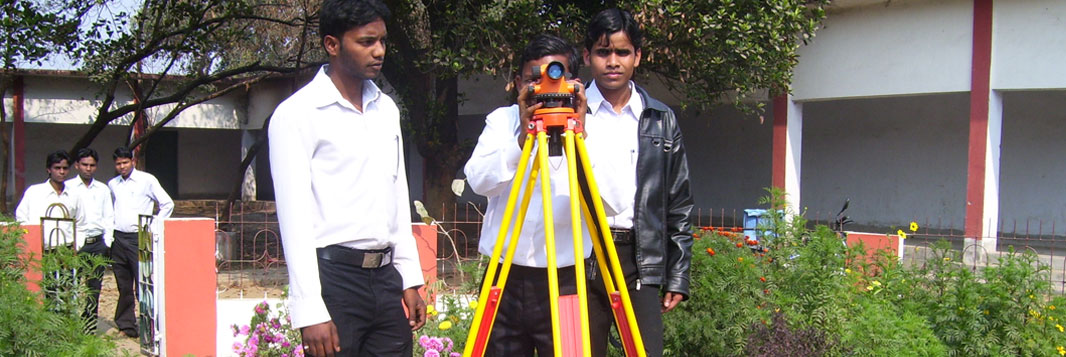
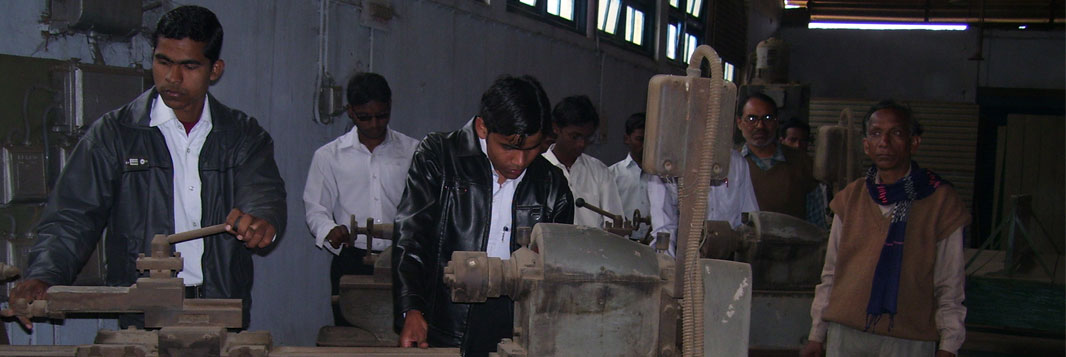
The educational approach also focuses on practical training. Students analyze case studies from active mining projects and learn how digital systems can reduce operational risks and improve efficiency in complex environments.
Key Digital Skills Future Mining Engineers Must Develop
Modern mining engineers are expected to combine traditional technical knowledge with digital competencies. Training programs increasingly emphasize interdisciplinary skills that connect engineering with information technology.
Students studying smart mining technology must understand how different digital tools interact within a mining operation. This includes both hardware and software systems.
Some of the most important skills emerging in modern mining education include:
- Data analysis for geological and operational information.
- Operation of IoT-based monitoring systems.
- Understanding of AI-assisted mineral exploration models.
- Integration of autonomous vehicles into mining logistics.
- Drone-based mapping and terrain analysis.
Each of these skills reflects the growing digital complexity of mining operations. Engineers are no longer only responsible for physical extraction processes; they must also interpret large volumes of data and use technology to optimize production.
Educational institutions like Government Polytechnic Nirsa recognize that combining these capabilities will allow graduates to adapt quickly to technological changes in the industry.
Industry Events in India Driving Smart Mining Innovation
India has become an important center for discussions about mining modernization. In 2026, several industry conferences and technology exhibitions have focused on digital mining solutions and automation.
These events bring together mining companies, technology developers, researchers, and students. The goal is to exchange ideas and demonstrate how smart mining technology can improve both safety and efficiency.
Topics frequently discussed at these events include:
Artificial intelligence in geological exploration, digital twins of mining operations, automated drilling systems, and remote-controlled machinery. Experts also present research on predictive maintenance, where machine learning algorithms analyze equipment performance to detect potential failures before they occur.
Students from technical institutions often participate in workshops and demonstrations during these events. Exposure to real-world applications allows them to understand how theoretical knowledge translates into industrial practice.
For institutions like Government Polytechnic Nirsa, participation in these industry forums helps align academic programs with the real needs of mining companies.
How Smart Mining Improves Safety and Sustainability
One of the most significant advantages of smart mining technology is its impact on workplace safety and environmental protection.
Mining accidents often occur because dangerous conditions remain undetected until it is too late. Digital monitoring systems can continuously analyze air quality, ground stability, and equipment performance.
If sensors detect abnormal conditions, automated alerts allow operators to respond immediately. In some cases, operations can even be shut down automatically to prevent accidents.
Environmental monitoring is another key area where digital mining solutions play an important role. Smart systems help track water quality, dust emissions, and land use changes around mining sites.
Autonomous vehicles and optimized drilling techniques also reduce energy consumption and waste. By analyzing data in real time, companies can ensure that resources are extracted more efficiently and with minimal environmental impact.
As governments and regulators demand stricter environmental standards, these technologies are likely to become essential components of modern mining operations.
The Future of Smart Mining Education
The growing importance of digital technology in mining is reshaping engineering education. Institutions around the world are revising their curricula to include data science, robotics, and automation.
Government Polytechnic Nirsa represents an example of how technical education can adapt to industry trends. By introducing students to smart mining technology early in their academic careers, the institute is helping prepare a workforce capable of managing highly automated mining systems.
Future programs may expand even further, incorporating virtual reality simulations, remote mine operation training, and advanced AI modeling for resource exploration.
Collaboration between universities and mining companies will also play an important role. Industry partnerships allow students to gain hands-on experience with the technologies used in real mining environments.
As the mining sector continues to evolve, engineers trained in digital mining systems will become increasingly valuable.
Conclusion
The transformation of the mining industry is accelerating. Automation, artificial intelligence, and digital monitoring systems are redefining how resources are extracted and managed.
Educational institutions are beginning to reflect these changes. Government Polytechnic Nirsa’s initiative to train students in smart mining technology demonstrates how engineering education is evolving to meet the demands of the modern industry.
For aspiring engineers, this shift presents exciting opportunities. The mining profession is no longer limited to traditional extraction methods. Instead, it is becoming a technologically advanced field that combines engineering expertise with cutting-edge digital tools.
As smart mining systems continue to develop, the engineers trained today will play a crucial role in shaping the future of the global mining industry.