
SBTE Semester Exams Explained: Forms, Fees and the Jharkhand Timetable
Every diploma student at Government Polytechnic Nirsa studies under the same academic authority: the State Board of Technical Education, Jharkhand, better known as SBTE. The board in Ranchi sets the semester calendar, conducts the exams, and issues the final diploma. Yet a surprising number of first-year students only discover how the semester system works after they have already damaged their record in it.
The institute's old notice board told the story in fragments: exam form fill-up notices for the first, third and fifth semesters, sessional notices, class-stop notices before exams. This guide assembles those fragments into the full picture of how an SBTE semester actually runs.
The six-semester structure
A three-year diploma at Nirsa is divided into six semesters, each of roughly five to six months. Odd semesters begin around July, even semesters around January, and each ends with board examinations conducted by SBTE across Jharkhand. Teaching, internal assessment and practical work all sit inside this window, which is why the calendar feels tight from the first month.
The board publishes an academic calendar that fixes the broad dates: teaching weeks, internal tests, form fill-up windows and exam periods. The institute's own academic calendar notice mirrors it at campus level. Students who note these dates at the start of the semester plan their preparation; students who wait for rumours plan their excuses.
Form fill-up: the deadline that is not negotiable
Before every board exam, students must complete the examination form fill-up through the institute. The old Nirsa notices show this clearly: separate fill-up notices for first semester, for third and fifth semesters, and even notices extending the date when students delayed. The exam fee, Rs 750 per semester under the institute's published structure, is paid at this stage.
The consequences of missing the window are real. A student without a submitted exam form is not registered for that board exam, whatever their attendance or preparation. Late submission, when the board allows it at all, comes with a fine. The office can only forward what it receives by its own earlier deadline, because the institute must verify, sign and dispatch forms for hundreds of students to Ranchi.
| Stage | When (approx.) | What the student does | Cost |
|---|---|---|---|
| Teaching and sessionals | Months 1 to 4 | Attend classes, submit practical records, sit internal tests | Included in fees |
| Exam form fill-up | Month 4 to 5 | Fill the board exam form, verify entries, pay the fee | Rs 750 per semester |
| Class stop and preparation leave | Month 5 | Complete records, clear dues, collect admit card | None |
| Board examinations | Month 5 to 6 | Sit theory and practical exams at the allotted centre | None beyond the form fee |
Internal marks: the quiet half of your result
SBTE diploma subjects carry both external board exam marks and internal sessional marks. The internal component comes from class tests, practical records, assignments and attendance, and it is awarded by the institute before the board exam even begins. This is the part of the result entirely within a student's own control, and the part most commonly wasted.
The pattern is familiar to every lecturer. A student who coasts through the semester, skips sessional tests and submits thin practical records arrives at the board exam needing an unrealistic score to pass comfortably. A student who collected internal marks steadily can survive a bad day in the exam hall. The institute's sessional notices exist precisely because these marks must be finalised and forwarded on a schedule.
Practical exams and records
A diploma is a practical qualification, and SBTE examines it that way. Workshop and laboratory subjects end with practical examinations where an external or internal examiner watches the student perform a task, checks the record file, and asks viva questions. The record file is not decoration; it is evidence, and an incomplete file can cost the practical marks outright.
The habits that protect practical marks are boring and effective:
- Write up each experiment or job the same week it is done.
- Get the file signed by the instructor regularly rather than in a desperate stack before the exam.
- Prepare a two-sentence explanation of every practical, because the viva rewards understanding.
- Check the apparatus list before the exam so nothing in the room is unfamiliar.
The record file is evidence, and the habits above keep it credible. Students who maintain it find that the practical examination becomes a demonstration of work already done rather than a test of last-minute nerve.
Admit cards, centres and exam-day rules
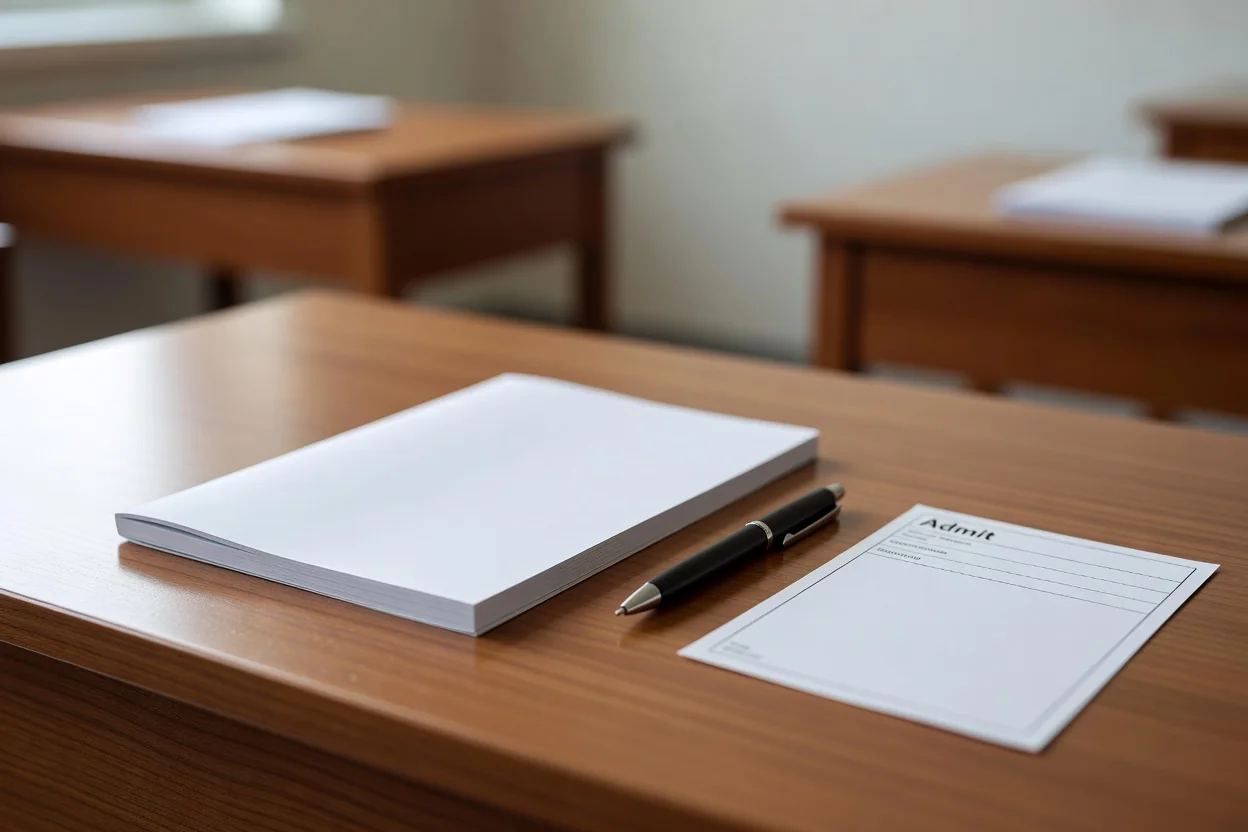
The board issues admit cards through the institute shortly before exams, and the exam centre may not be your own campus. Students should check the centre location in advance, especially those from outside Dhanbad who may need to travel to an unfamiliar college. The admit card and a valid identity document are mandatory at the gate.
Board exam discipline is stricter than internal tests. Mobile phones, smart watches and written material are prohibited, and SBTE treats malpractice seriously, with paper cancellation and debarment on the table. The simplest protection is to arrive early, carry only what is permitted, and treat the invigilator's instructions as final.
After the exams: results and the next semester
Results are published by SBTE on its portal, typically some weeks after the exams, and the institute displays its own result notices. Students then collect marksheets, register for the next semester, and, where needed, deal with backlogs through the carry paper system covered elsewhere on this site. The semester rhythm then repeats, faster each year as the diploma approaches its end.
The students who move through six semesters cleanly share one habit: they treat the calendar as fixed and themselves as adjustable. Form dates, sessional weeks and exam periods do not move for anyone, and the entire SBTE system rewards those who simply show up prepared, on time, six times in a row.