
Hostel and Mess at Government Polytechnic Nirsa: What Students Should Know
For a student from Maithon, Chirkunda or a village outside Dhanbad, the admission letter from Government Polytechnic Nirsa solves one problem and immediately creates another: where to live for the next three years. The institute's own administration page lists a hostel superintendent among its officers, which tells you the college takes residential life seriously, but the official record says little about how hostel life actually works day to day.
This guide puts together what applicants and parents usually want to know: how hostel allotment generally works in a Jharkhand government polytechnic, what the mess arrangement means for a monthly budget, what to bring, and which rules matter most in the first semester.
Who runs the hostel and why it matters
In the institute's administration structure, the Hostel Superintendent is a named officer with a direct phone line, sitting alongside the Principal, the Exam Controller and the Campus Supervisor. That is not a decorative post. Room allotment, discipline inside the hostel, mess complaints and maintenance requests all move through this office, and a student who knows this saves weeks of confusion.
The practical lesson for a fresh student is simple. When a problem appears in the hostel, whether it is a broken fan, a water issue or a dispute over a room, the correct first step is the superintendent's office, not a heated argument in the corridor. Government institutions work through written requests and registers, and the student who writes a short, dated application usually gets a faster answer than the one who only complains verbally.
How rooms are usually allotted
Government polytechnic hostels in Jharkhand normally allot rooms on a mix of distance from home, category rules and seniority, with first-year students grouped together. Nirsa follows the same broad pattern: priority tends to go to students whose homes are far enough that daily commuting is unrealistic, and the number of rooms is limited, so not every applicant gets a seat.
Students should treat hostel application as part of admission itself, not as an afterthought. The typical mistakes are predictable:
- Applying late because the family assumed a room would be automatic with admission.
- Not keeping a photocopy of the hostel application and receipt.
- Ignoring the merit or distance criteria and then being surprised by the allotment list.
- Paying an unofficial middleman instead of the office, which is both risky and unnecessary.
If the hostel list is full, the fallback in the Dhanbad area is a rented room or a paying-guest arrangement in nearby localities. That option costs more and needs more caution: a written rent agreement, a known landlord and a realistic travel time to the campus should be checked before paying any advance.
The mess: how food money actually flows
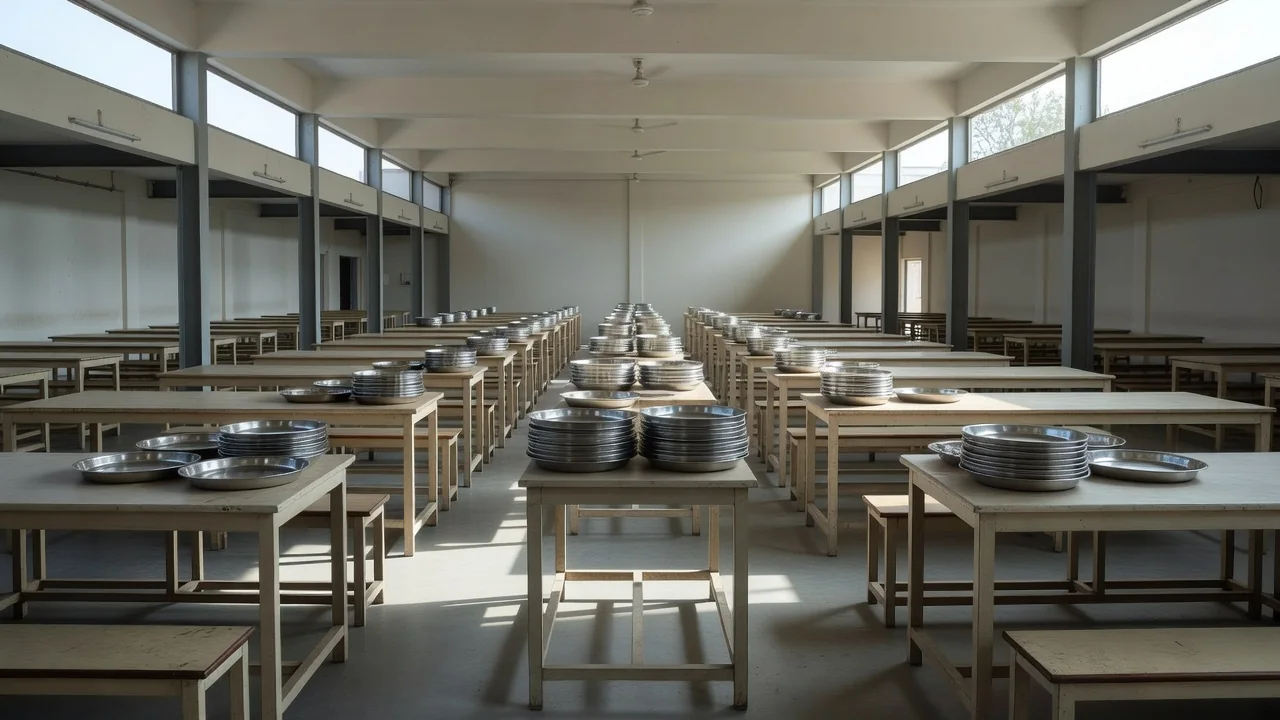
The old institute website kept a mess form among its student notices, which points to a managed mess rather than a free-for-all canteen. In such hostels the mess usually runs on a monthly charge or a coupon system, with a student or staff committee watching quality. The menu is simple, the timings are fixed, and missing a meal rarely means a refund.
For budgeting, families should assume the mess charge is the single biggest monthly expense after room rent, typically in the range of a few thousand rupees a month in a government hostel, and ask the office for the current figure at the time of admission rather than trusting a senior's memory. Rates change with food grain and LPG prices, and a two-year-old number can be badly wrong.
| Expense head | Hostel student | Rented room student | Notes |
|---|---|---|---|
| Room | Low fixed hostel charge | Higher monthly rent plus deposit | Hostel seats are limited; apply early. |
| Food | Monthly mess charge | Self-cooking or tiffin service | Mess timings are fixed; missed meals are rarely adjusted. |
| Travel | Minimal, walking distance | Daily bus or shared auto fare | Check travel time before signing a rent agreement. |
| Deposits | Small caution money | One or two months' advance | Always take a signed receipt. |
What to pack and what to leave at home
First-year students consistently overpack in some areas and underpack in others. The hostel room in a government polytechnic is functional: a cot, a study table if you are lucky, and limited storage. Heavy suitcases full of clothes are a burden in a shared room, while the things that actually matter get forgotten.
The sensible packing list starts with documents, because registration, scholarship forms and exam applications all demand them in the first weeks. After that come a lock for the cupboard, basic bedding, a bucket and mug if the hostel does not provide them, a small first-aid kit, and a good extension board, since plug points are never where you need them. Expensive gadgets, large amounts of cash and anything you would hate to lose should stay at home for the first semester.
Discipline, timings and the unwritten rules
Hostel life in a government institute runs on timings: gate closing hours, mess hours, study hours and visitor rules. These are enforced unevenly, but the student who ignores them completely eventually meets the superintendent in a formal setting. The institute's rules section makes clear that discipline is treated as part of the diploma, not as a separate issue, and hostel misconduct can reach the academic record.
The unwritten rules matter as much. Seniors expect respect but the anti-ragging framework protects freshers from anything beyond that. Room-mates negotiate quiet hours and cleaning duties whether anyone writes them down or not. The students who settle fastest are those who treat the first month as observation: learn the timings, learn the mess routine, learn which office handles what, and only then start negotiating exceptions.
Questions to ask before you pay anything
Before paying a hostel fee or a rent advance, a family should get clear answers to a short list of questions. What exactly does the mess charge include, and how many meals per day? What is the room strength, two or three students? Who is the warden or superintendent on duty, and how are complaints recorded? What is the refund rule if a student leaves in the first month?
Written answers are better than verbal assurances, and a receipt is better than both. Government Polytechnic Nirsa's administration is approachable by phone and in person, and the office staff deal with these questions every admission season. The families who run into trouble are almost always the ones who paid first and asked later.