
Campus Laboratories and Workshops: Where the Diploma Becomes Practical
A polytechnic diploma stands or falls on practical training, and practical training stands or falls on laboratories and workshops. At Government Polytechnic Nirsa, the campus facilities have grown around the needs of the three diploma branches — Mining, Mechanical and Civil — with each laboratory under a designated in-charge and the central workshop running multiple trade sections.
For applicants comparing colleges, and for current students planning how to use their three years, here is a map of the institute's practical infrastructure and how to get the most out of it.
The laboratory chain
Each department's laboratory work is supervised by a faculty in-charge, which gives students a single point of contact for practical records, instrument issue and project work.
| Facility | What happens there |
|---|---|
| Science laboratory | Physics and chemistry practicals of the first-year foundation courses. |
| Geology laboratory | Rock and mineral specimens, coal measure strata, geological maps and models for mining students. |
| Mining laboratory | Mine models, ventilation and safety equipment, lamp room practice and mining method demonstrations. |
| Surveying laboratory | Chains, levels, theodolites and modern instruments; field survey practice on campus and coalfield terrain. |
| Electrical laboratory | Basic electrical machines, wiring, measurements and electrical safety for all branches. |
| Computer laboratory | Computer fundamentals, drawing software and documentation skills across semesters. |
| Library | Textbooks, reference works and previous board examination material for all branches. |
The central workshop
Workshop practice is where a diploma student first handles real material and real machines. The institute's workshop is organised in trade sections, each led by an instructor:
- Machine shop: lathes and allied machine tools — turning, facing and basic machining operations.
- Welding section: arc and gas welding practice, joint preparation and fabrication basics.
- Carpentry section: timber working, patterns and joints — the traditional entry point of workshop training.
- Fitting and allied benches: marking, filing, drilling and assembly work that builds hand skill and measurement discipline.
How to actually benefit from practical classes
The difference between a strong diploma holder and a weak one is rarely the classroom — it is what happened in the lab. Employers in the Dhanbad industrial belt ask diploma candidates what they have done with their hands, and the answer comes from practical hours.
Three habits make the difference. First, maintain the practical record book honestly and completely; it becomes evidence of skill at apprenticeship and job interviews. Second, volunteer for instrument handling instead of watching from the back of the group — survey work and machine operation are learned by doing. Third, connect lab work to the field: a theodolite exercise makes far more sense after a mine visit, and workshop fitting skills are exactly what maintenance jobs test.
Facilities and the 2026 student
The institute's infrastructure has been built up in phases since the World Bank-assisted strengthening project of the mid-1990s added the instructional building, staff quarters and water supply. Like most government polytechnics, the campus combines older, well-used equipment with newer additions, and students get the best results when they treat every available instrument as worth mastering.
Computer literacy deserves special mention. Even in traditional branches like mining, employers now expect comfort with digital drawings, spreadsheets and documentation. The computer laboratory is open across semesters — students who build these skills early find they pay off in every subject from surveying to project reports.
How to get the most out of lab hours
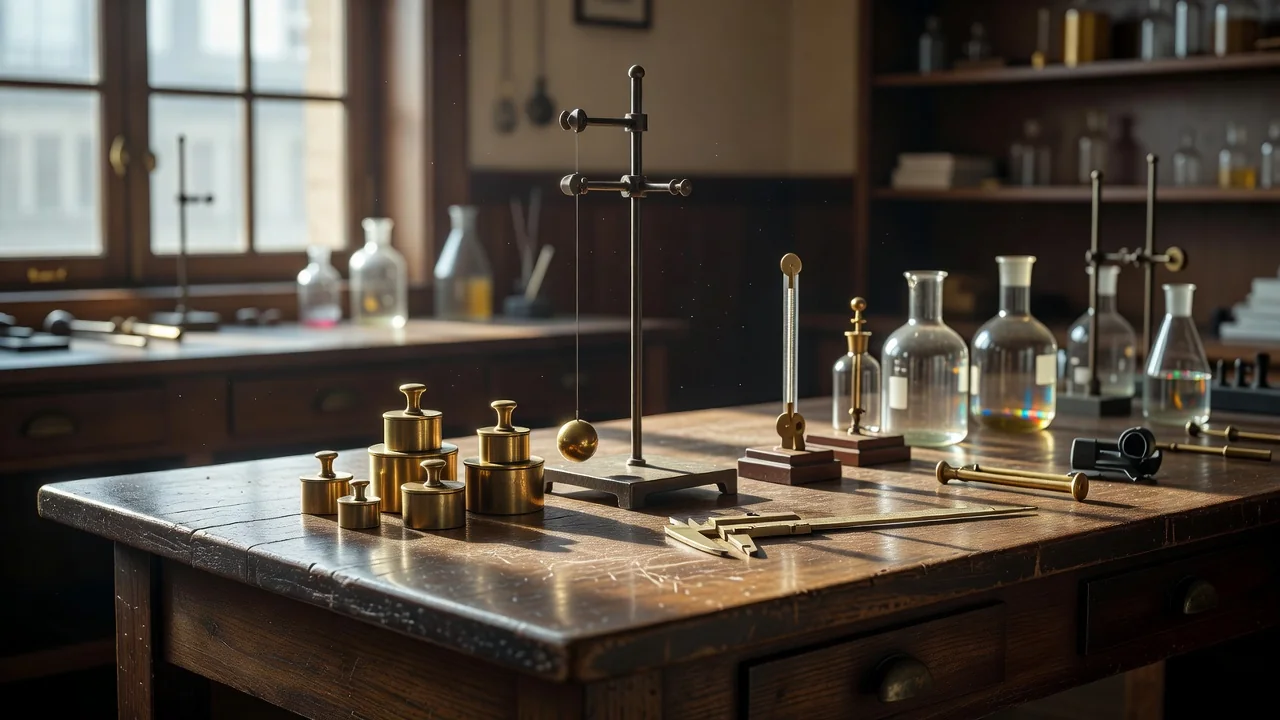
Laboratory time at a government institute is a fixed ration: the batch is large, the period is short, and the instructor divides attention among dozens of students. The student who arrives having read the experiment's purpose extracts the full value; the one who arrives blank spends the hour copying someone else's readings and leaves with a file but no skill.
Three habits multiply the return. Write the observation tables before the session so readings go straight into place. Volunteer for the instrument, not the notebook, because hands remember what pens forget. And ask the instructor one real question per session, since the staff's practical knowledge is the campus's least exhausted resource.
It is also worth remembering that the workshop record file follows the student beyond the semester. Practical examiners open it, interviewers ask about it, and apprenticeship panels occasionally request it. A file that shows three years of consistent, signed work is a quiet credential that costs nothing but weekly effort to maintain.